Sustainable Tourism in Egypt
Oases, the banks of the Nile and real life between desert and water: this is sustainable tourism in Egypt.
Away from the big Nile cruise ships and coach tours, there is another Egypt: quiet, close to the land and welcoming. Sustainable tourism, also called responsible tourism or ecotourism, means travelling in a way that protects culture, nature and people instead of using them up. It suits travellers who want more than a checklist of monuments and would rather feel the real Egypt. Think of the warm wind over the palms of an oasis and the splash of a Nile ferry. Or a potter’s worn hands and the silence of the desert at dusk.
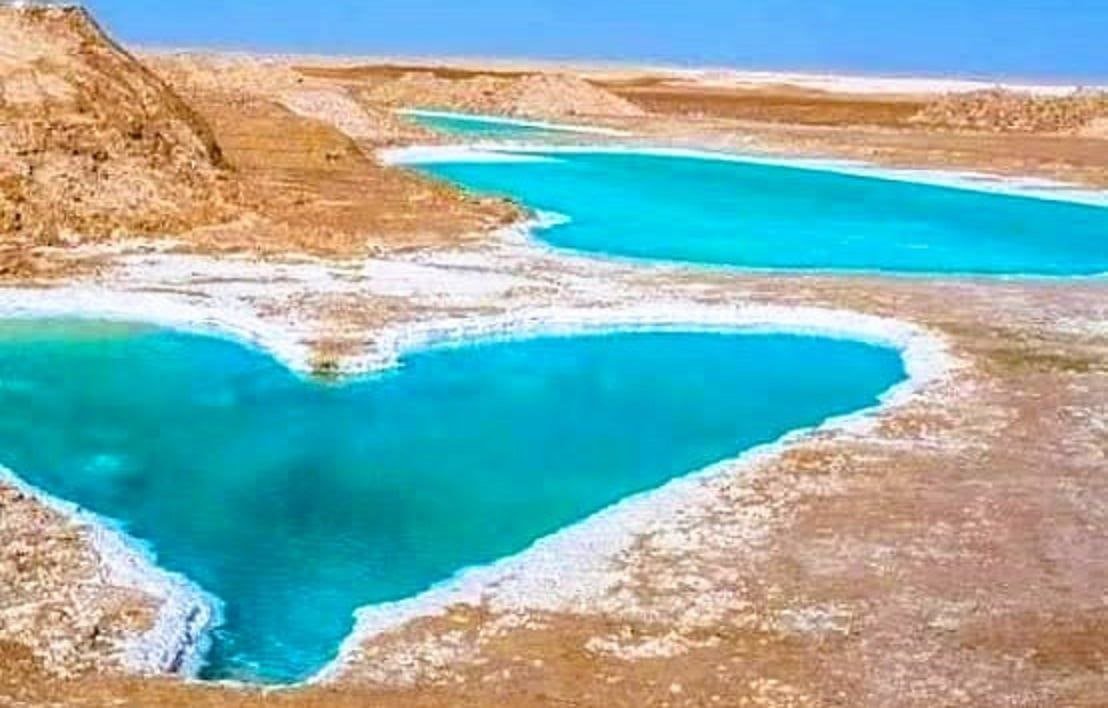
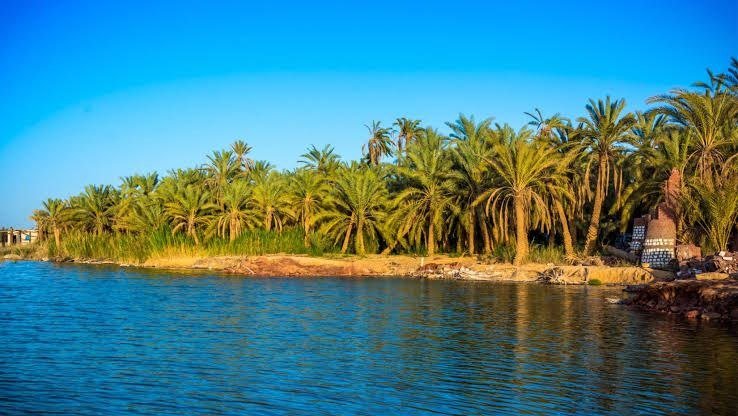
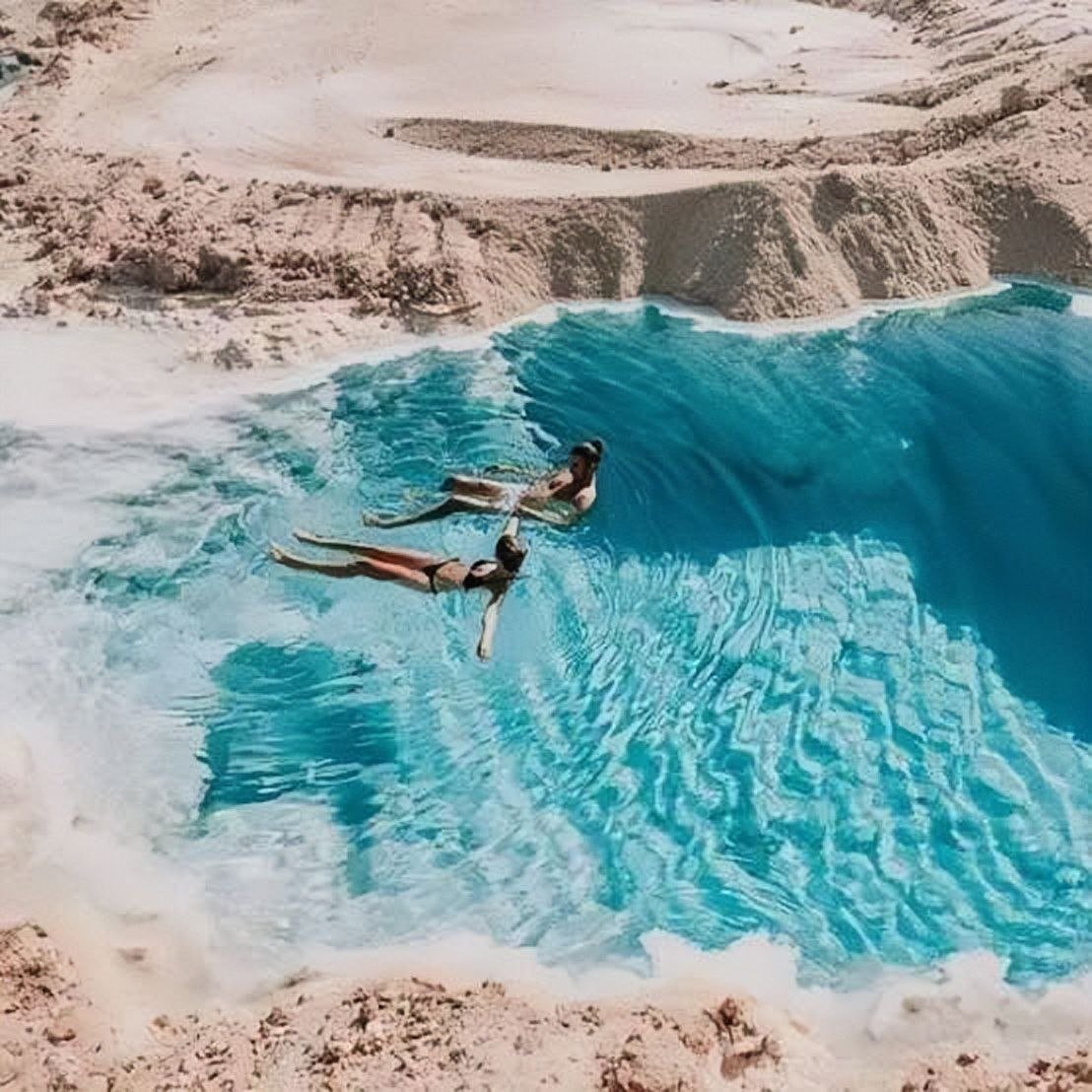
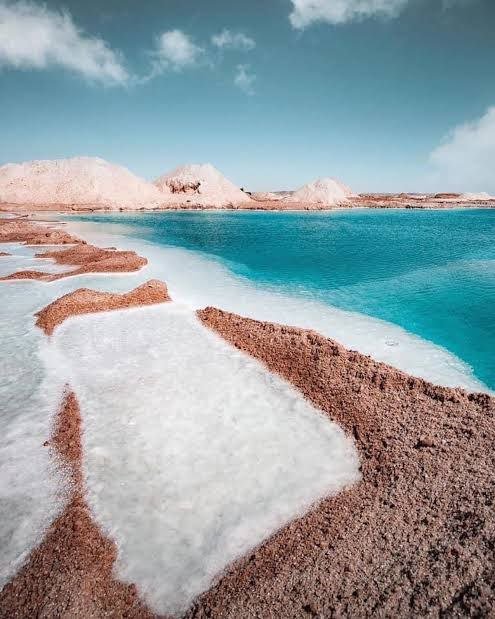
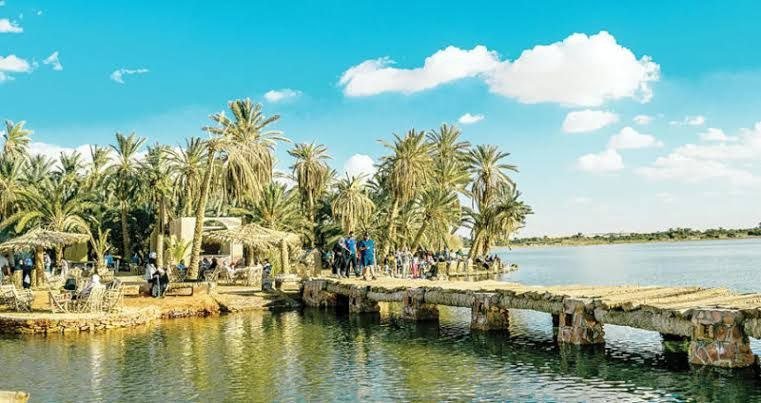
The oases of Siwa, Bahariya, Dakhla, Farafra and Kharga are the heart of sustainable tourism in Egypt. Endless dunes and salt lakes surround them, yet people have lived here for thousands of years from date palms, olive groves and hot springs. Read more in our guide to the deserts of Egypt.
Siwa Oasis: Berber culture and salt lakes
Siwa lies close to the Libyan border and is one of the most authentic places in Egypt. Locals speak Siwi, a Berber language, and traditional houses are built from kershef, a mix of salt and clay. The ruins of Shali, Cleopatra’s Spring and the salt lakes invite you to slow down, far from mass tourism. If you are looking for eco-friendly travel in Egypt, you will find eco-lodges built from natural materials, star-filled skies with no light pollution and carpets hand-woven by the women of Siwa.
Bahariya, Dakhla, Farafra and Kharga
East of Siwa lies Bahariya, the gateway to the Black and White Deserts, and Dakhla with the historic mudbrick village of Al-Qasr. Then come Farafra, with its chalk-white rocks, and Kharga, the largest oasis in the region. They share the same picture: palm groves, spring water, quiet village squares and farming families growing dates, olives and apricots. It is the calm opposite of noisy Cairo.
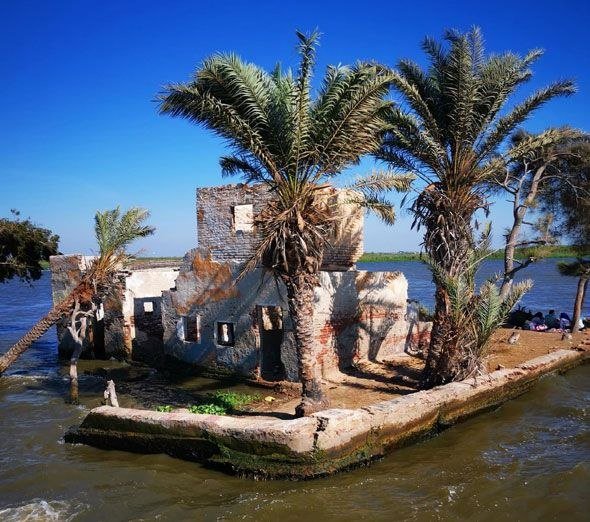
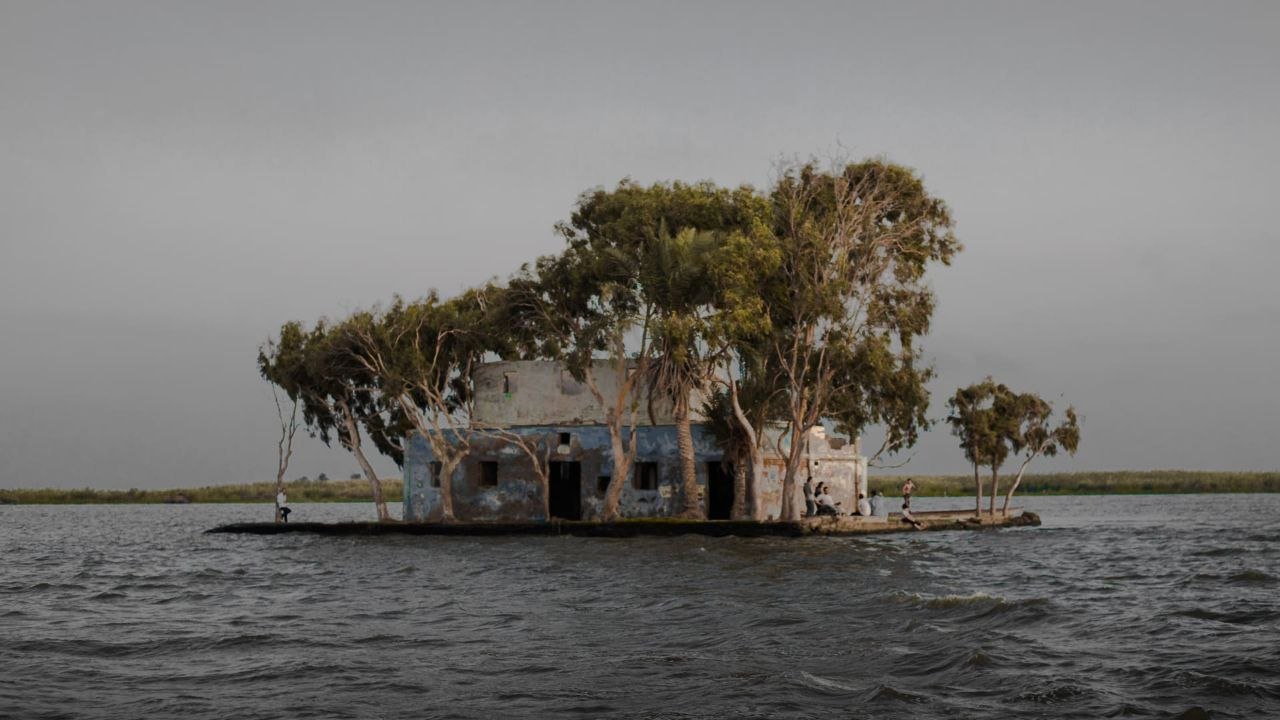
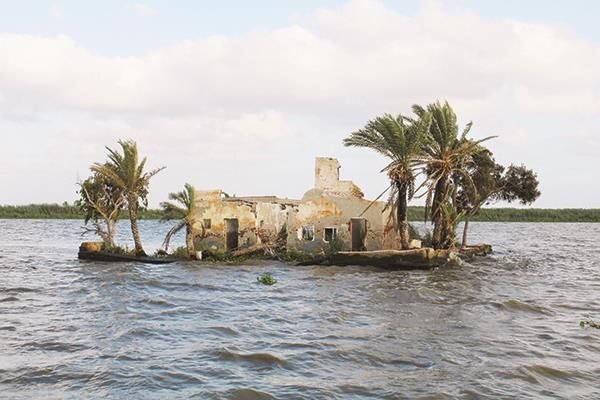
The Nile is more than a river. It is a source of life, a workplace and a home. Along its banks in Minya, Luxor and Aswan, rural Egypt shows itself at its most traditional. Learn more in our guide to the Nile River in Egypt.
Minya: the hidden Nile Valley
Minya, often called “the bride of Upper Egypt”, is almost undiscovered by tourists. That is exactly why it appeals to travellers looking for real village life in Egypt. The landscape is made of sugar-cane fields, rows of palms and small ferry boats. In the villages around Beni Hassan and Tuna el-Gebel, farmers still work the fields with donkeys and oxen, as their ancestors did for centuries. See our guide to Minya, Egypt.
Luxor: between temples and fields
On Luxor’s West Bank, beyond the royal tombs, lies a green patchwork of wheat, sugar cane and clover. This is home to the fellahin, the traditional farmers of the Nile, who live in small mudbrick villages. Cycling along farm tracks, visiting the alabaster workshops of Gurna or drinking tea with a farming family are some of the most authentic sustainable travel experiences in Upper Egypt. Find more ideas in our guide to things to do in Luxor.
Aswan: Nubian villages and the quiet south
Aswan is the gateway to Nubia. Colourful Nubian houses stand on Elephantine Island and on the West Bank, with domed roofs painted in ochre, turquoise and indigo. They are among the most beautiful examples of living culture on the Nile. The Nubians still keep their own language, music and hospitality, so a visit to a Nubian home, with tea and old crocodile legends, is cultural exchange at its best. See our guide to things to do in Aswan.
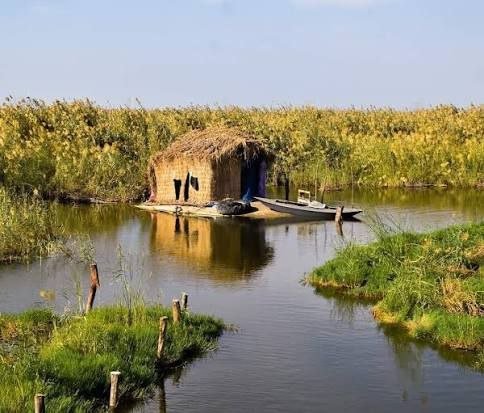
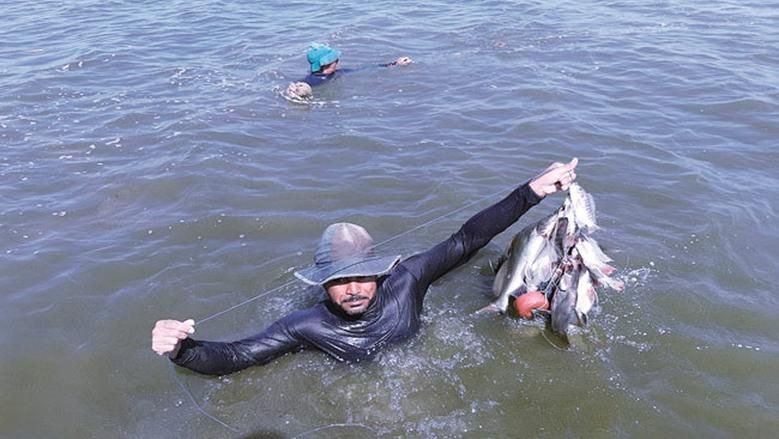
Besides the Nile, Egypt’s great lakes also shape sustainable tourism in the country.
Lake Qarun in Fayoum
Fayoum, only about two hours’ drive from Cairo, is a green oasis on the edge of the desert. Fishing families live on the shores of Lake Qarun, heading out in simple wooden boats and selling their catch at traditional markets. Fayoum’s water wheels, a centuries-old irrigation technique, still turn and water the orchards and rose fields.
Lake Nasser and the Nubian fishermen
South of Aswan stretches Lake Nasser, one of the largest man-made reservoirs in the world. Nubian fishing families live here and catch Nile perch, often from remote islands that can only be reached by boat. A cruise on Lake Nasser takes you through some of the quietest and most unspoilt landscapes in Egypt.
Sustainable tourism also means supporting traditional crafts and helping them survive.
- Pottery in Fustat (Cairo) and Garagos (near Luxor): clay vessels shaped by hand using centuries-old techniques
- Weaving and carpet making in Akhmim and the Nile Delta: colourful cotton and wool textiles from family workshops
- Alabaster and stone carving in Gurna near Luxor: finely worked vases and bowls of Egyptian alabaster
- Palm-leaf weaving in the oases: baskets, mats and hats made from date-palm leaves
- Bedouin silver jewellery in Sinai: traditional designs with semi-precious stones and silver thread
Visiting one of these workshops in Fustat, Akhmim or Gurna lets you meet the craftspeople in person and directly supports local family businesses. That is what sustainable tourism in Egypt is about: the money stays where it was earned.
The Bedouins, nomadic peoples with a desert culture going back centuries, live in the Eastern Desert, in Sinai and along the Red Sea coast. Their hospitality is legendary. Tea by the campfire, stories under a sky full of stars, camel rides through the wadis and nights in a Bedouin tent are some of the most memorable experiences Egypt has to offer. Trips to Bedouin camps near Hurghada, Marsa Alam or in the Sinai mountains combine the romance of the desert with real cultural exchange, far from the coastal hotels. Try our Hurghada desert safari tours with an English-speaking safari guide.
The Nubians, a distinct people with their own language and a long history on the upper Nile, shape the region between Aswan and Sudan. Their villages are known for brightly painted houses, handmade crocodile charms and the rhythm of the tar drum. A Nubian dinner of molokhia and fresh flatbread, with music and stories about the old Nile, is one of the warmest experiences for travellers looking for authentic Egypt away from the tourist trail.
Egypt is much more than pyramids and cruise ships. In the desert oases, on the banks of the Nile, by its quiet lakes and in its craft workshops lives a country that has kept its traditions. Sustainable tourism invites you to discover this Egypt with respect and curiosity: more slowly, closer to the people and in step with the nature that has supported life here for thousands of years. If you would like to plan a trip like this, write to us or book your excursion. The Sharara Tours team will be happy to help. You can read more about nature conservation on the HEPCA website.