Things to Do in Luxor, Egypt: The World's Greatest Open-Air Museum
Upper Egypt · The Nile Valley · UNESCO World Heritage · 3,500 years of history
Luxor, Egypt – a living history of the pharaohs
Set on the Nile in Upper Egypt, Luxor is one of the country's most important cultural destinations. Monumental temples, royal tombs, beautiful Nile Valley scenery and the traditional villages of the West Bank make it a destination in its own right, not just one stop on a tour of Egypt. Cafés, restaurants, markets and the Corniche sit side by side with monuments thousands of years old, and this constant blend of daily life and ancient history gives the city a unique atmosphere.
In this guide, Sharara Tours presents the best things to do in Luxor – from Karnak and the Valley of the Kings to felucca rides and hot-air balloon flights – with practical tips for planning your stay.
Luxor's East Bank – Karnak, Luxor Temple and the city of the living
Exploring Luxor is a journey into the heart of ancient Thebes, one of the most powerful capitals of pharaonic Egypt. On the east bank of the Nile, the modern city buzzes with cafés, markets and the riverside Corniche, while monumental temples still dominate the landscape.
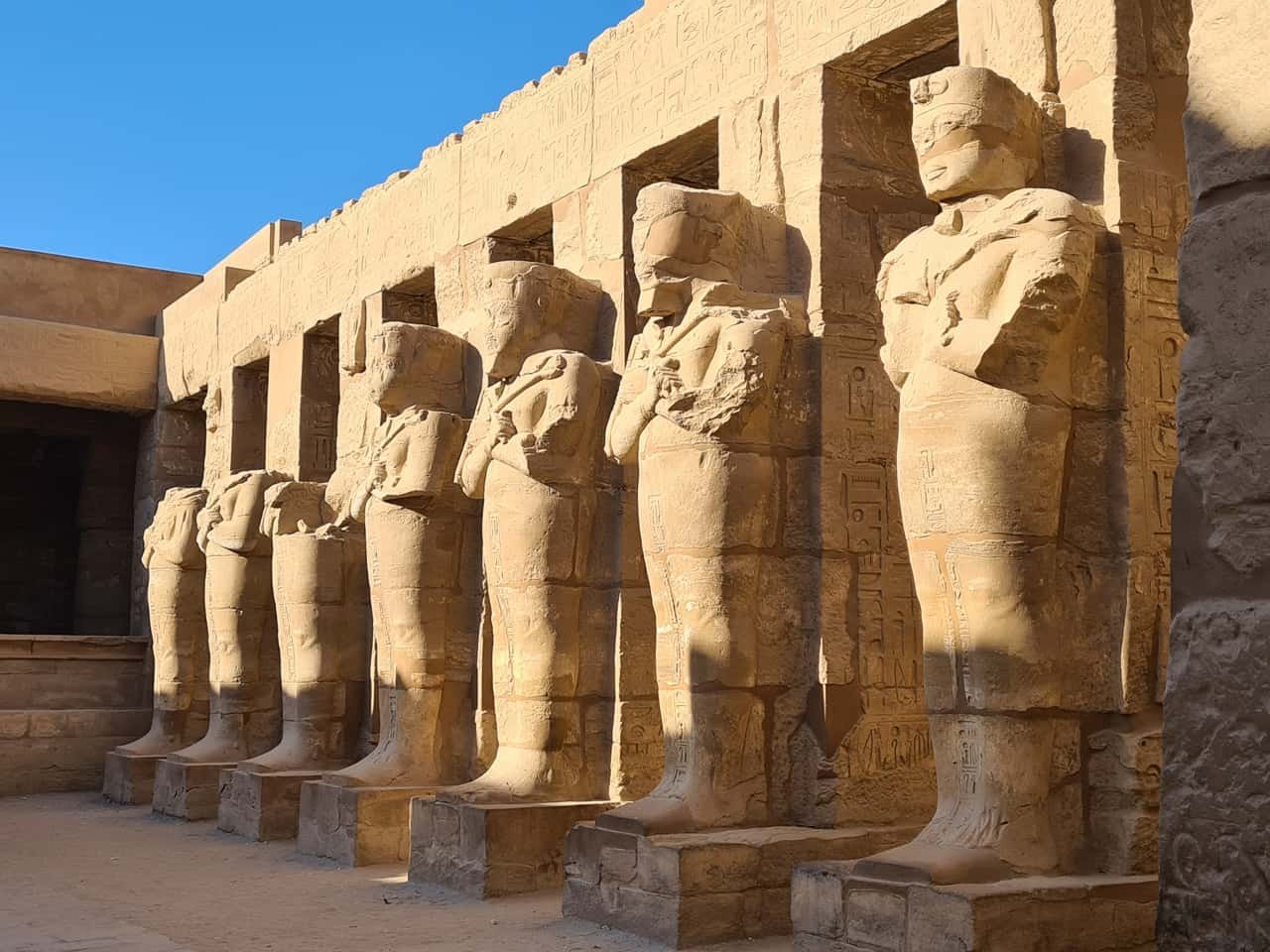
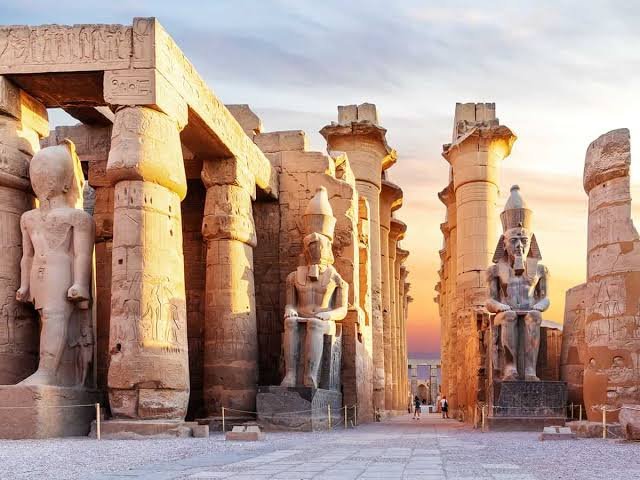
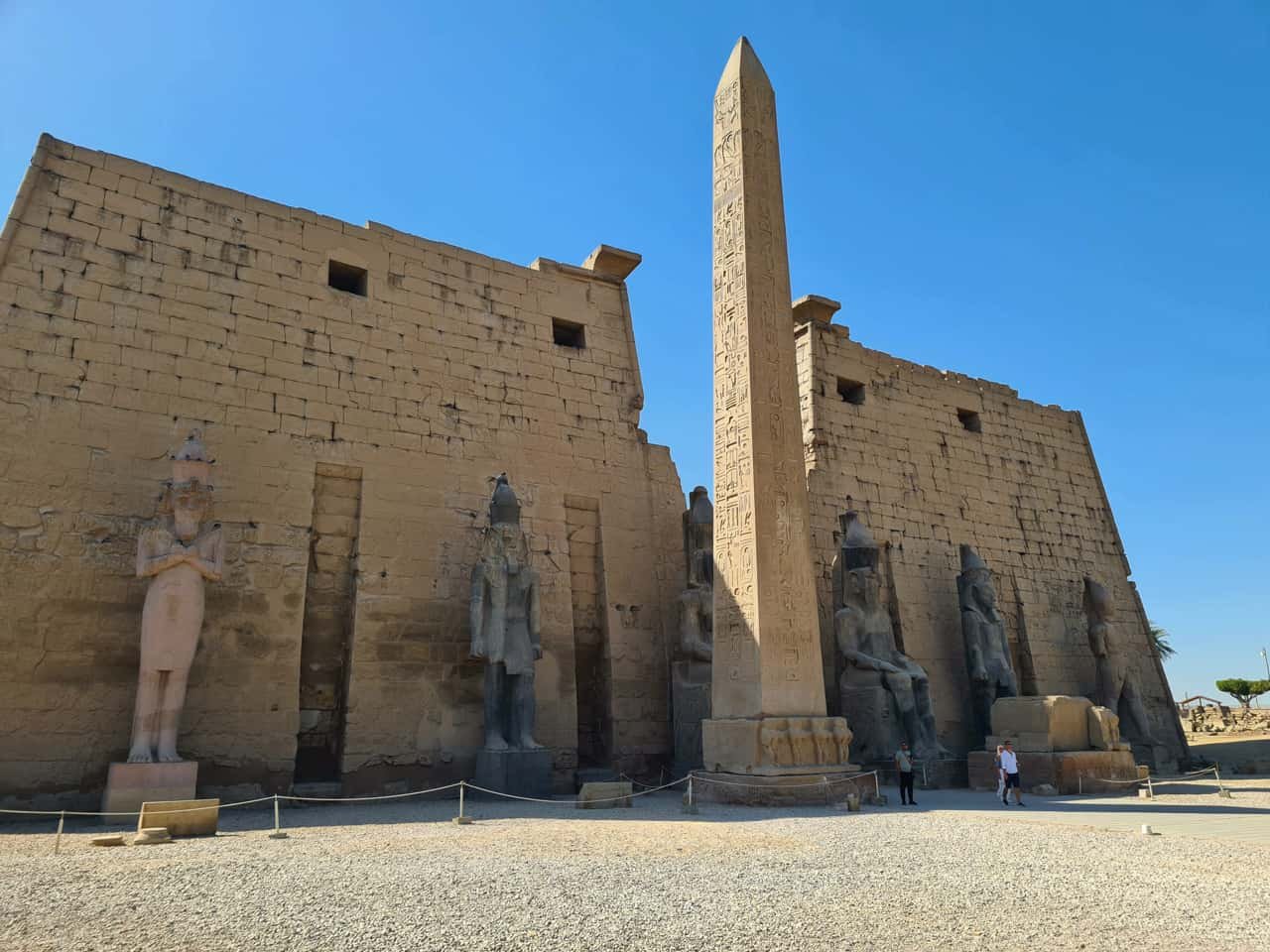
The Karnak temple complex is one of the largest religious complexes of the ancient world, built and enlarged over many centuries. Its impressive Great Hypostyle Hall, with 134 monumental columns, its obelisks and its sanctuaries are among Luxor's top attractions. In the evening, the Karnak sound and light show lets you discover the site in a completely different atmosphere.
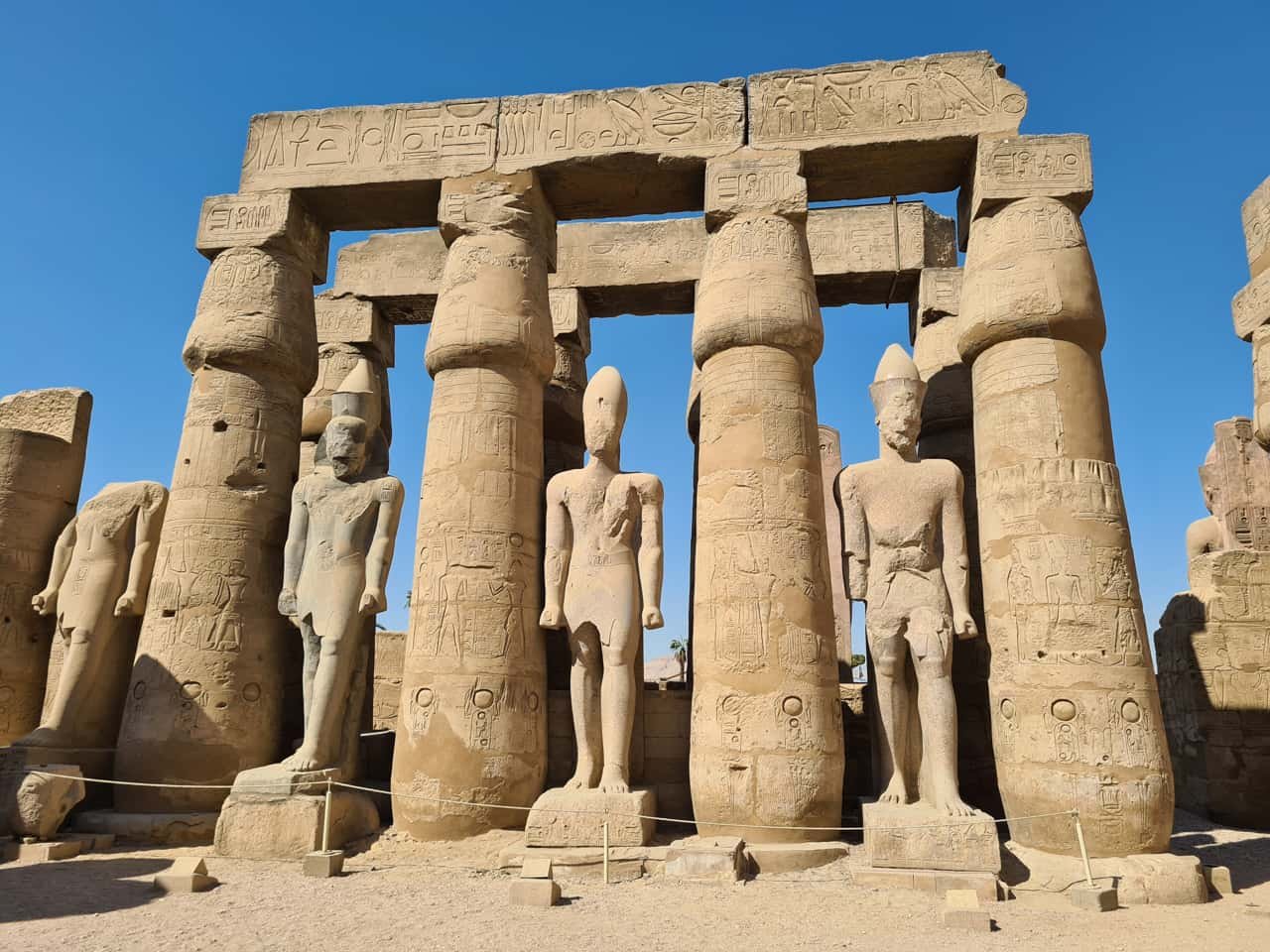
Luxor Temple stands right in the city centre. Beautifully illuminated at night, it sits next to cafés, shops and the everyday life of local residents. This contrast between ancient Egypt and modern Luxor makes sightseeing here so special.
Don't miss the Avenue of Sphinxes, which links Luxor Temple with Karnak over about 2.7 km. Restored and ceremonially opened in its present form in 2021, it is now a remarkable archaeological route through the heart of ancient Thebes and helps you understand the city's ceremonial layout. Our Karnak and Luxor Temple half-day tour covers the East Bank highlights.
Luxor's West Bank – the Valley of the Kings and the land of the dead
In ancient Egypt, the west bank of the Nile was associated with the world of the dead and with rebirth, because that is where the sun set every evening. New Kingdom rulers had their tombs carved and their mortuary temples built here. Today, western Luxor is home to some of Egypt's most famous archaeological sites.
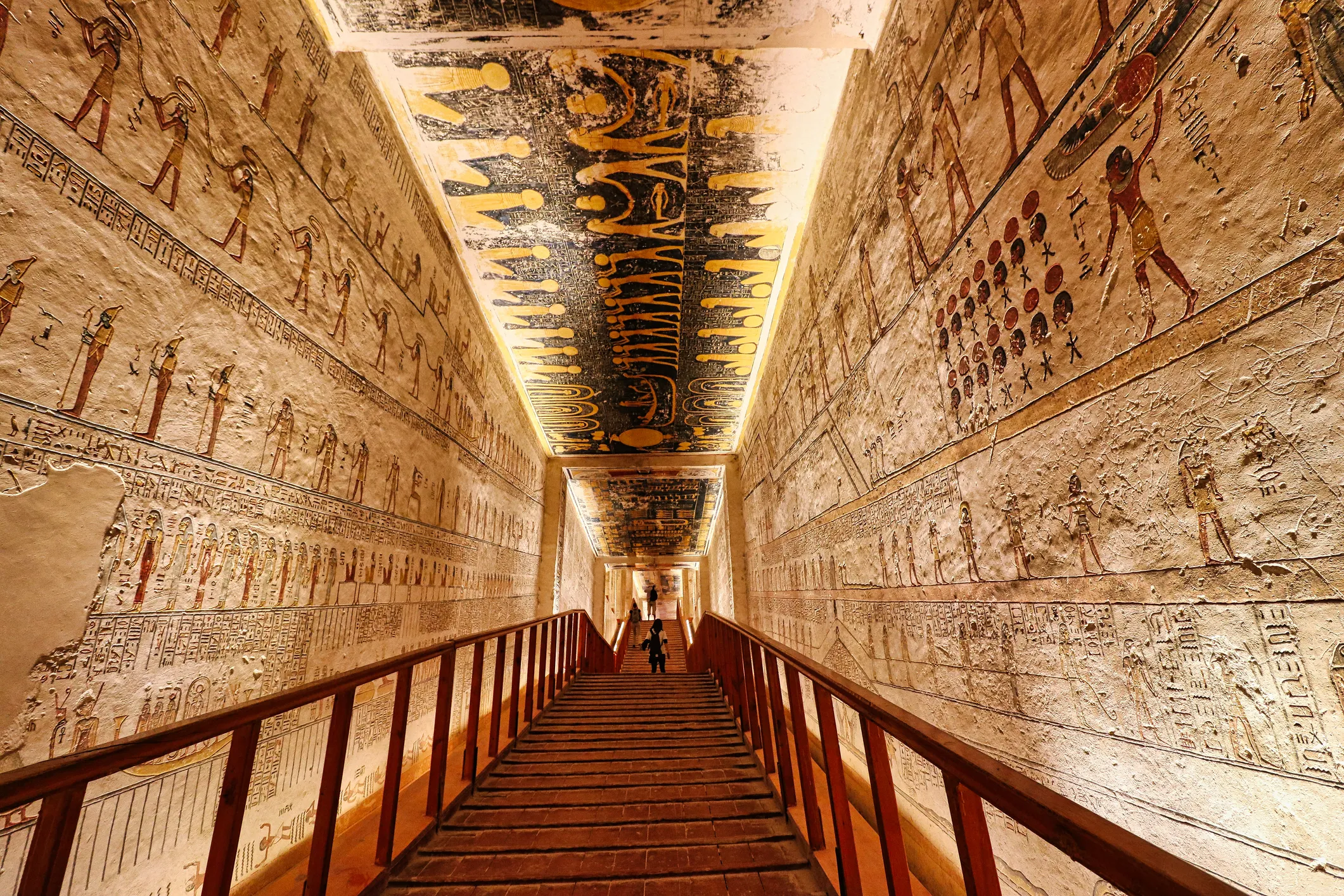
The Valley of the Kings is one of the most famous necropolises in the world, with more than 60 known tombs and burial chambers. The best known is the tomb of Tutankhamun – whose treasures you can see at the Grand Egyptian Museum – while others, such as the tombs of Ramesses VI and Seti I, are renowned for their exceptionally rich decoration. The painted walls show the pharaohs' journey into the afterlife, and some paintings have kept surprisingly vivid colours.
The Temple of Hatshepsut at Deir el-Bahari rises in monumental terraces at the foot of the Theban cliffs. Dedicated to one of the most famous women to rule as pharaoh, it is among the greatest masterpieces of ancient Egyptian architecture.
The Colossi of Memnon, two huge seated statues about 18 metres high, welcome visitors to the West Bank. They once stood in front of the gigantic mortuary temple of Amenhotep III.
Tip: start your sightseeing early in the morning. Temperatures are more pleasant, the Theban mountains glow in golden light and the archaeological sites are quieter. See our Luxor West Bank tour.
A sunrise hot-air balloon ride over Luxor
A hot-air balloon ride over Luxor offers an extraordinary bird's-eye view of the Nile Valley and the West Bank. At sunrise, you can see the fields, the Theban mountains and several of the most important archaeological sites. It is one of the most sought-after experiences for travellers who want to see Luxor from a completely different perspective – book our sunrise hot-air balloon and sightseeing tour.
The Nile – the heart and soul of Luxor
In Luxor, the Nile is an essential part of the journey. The wide, calm river separates the temples of the east bank from the necropolises of the west, creating a picturesque landscape of palm trees, sugar-cane fields and the white sails of traditional feluccas. Ferries and local boats link the two banks.
A sunset felucca ride on the Nile is one of the most enjoyable things to do in Luxor, far from the bustle of the main sights. The light reflecting off the river and the West Bank mountains creates a magical atmosphere.
For a longer journey, the classic choice is a Nile cruise between Luxor and Aswan, visiting the temples of Edfu and Kom Ombo and the monuments of Aswan. Discover our Nile cruises and our guide to the Nile River in Egypt.
Modern Luxor – people, bazaars and local life
Tourism plays an important role in Luxor. In the local bazaar you will find spices, alabaster, papyrus, textiles and traditional galabiyas. Bargaining is part of the local trading culture and can be an enjoyable experience, especially with a smile and a friendly chat. Meeting the people of Luxor often becomes one of the best memories of a trip – sometimes a conversation simply begins over a cup of tea.
Away from the busiest streets, you will discover a different side of Luxor: small villages, irrigated fields, donkey carts, palm groves and scenes of daily life, sometimes just a few metres from ancient monuments. Exploring the West Bank by bicycle takes you from sugar-cane fields through traditional villages to archaeological sites in a matter of minutes.
Religion in Luxor – ancient beliefs and living traditions
Religion is deeply rooted in Luxor's history and modern life. The call to prayer sets the rhythm of the day, and mosques and Ramadan traditions coexist with the pharaonic heritage visible in every temple and necropolis.
Amun, Ra, Osiris, Hathor and many other gods appear on the walls of temples and tombs. Their myths, rituals and images help us understand ancient Egyptian ideas about the world, death and rebirth – and they are still studied by Egyptologists today.
Where to stay in Luxor – hotels and guesthouses on the Nile
Luxor offers accommodation for almost every budget. Along the Corniche and on the east bank you will find historic hotels and luxury properties with pools and Nile views. The famous Winter Palace, opened in the late 19th century on the Corniche, is one of Luxor's historic hotels.
If you prefer a quieter atmosphere, choose a guesthouse or small hotel on the West Bank. Set among villages, fields and archaeological sites, many have terraces overlooking the Theban mountains. Prices vary with the season, standard and location.
East Bank or West Bank? The East Bank is better if you enjoy restaurants, shops and city life. The West Bank appeals with its calm, rural scenery and proximity to the ancient necropolises.
Nature and landscapes around Luxor
The area around Luxor is defined by a striking contrast between the fertile Nile Valley and the desert. Green fields end abruptly at the foot of dry land, and at sunset the Theban mountains turn intense shades of orange and red.
In winter, migratory birds rest on the Nile islands, and country roads wind between sugar-cane fields. From October to March, temperatures are usually most comfortable for visiting temples and archaeological sites.
Luxor travel tips – how to plan your visit
How many days? Allow at least two to three days: one for the East Bank, one for the West Bank and time for a felucca ride or a balloon flight. History lovers can easily spend longer.
Visiting from the Red Sea: Luxor is a popular day trip from Hurghada and the nearby resorts. Browse our Luxor tours from Hurghada, or save time with a private Luxor day trip from Hurghada by plane.
Go with a guide: a professional English-speaking Egyptologist guide helps you read the reliefs, choose the best tombs and avoid the crowds.
Luxor is not a place to rush. The Nile, the monumental temples, the royal tombs and the West Bank landscapes deserve time to be fully appreciated.
Why visit Luxor in Egypt?
Luxor is much more than a stop on a trip around Egypt. Karnak, Luxor Temple, the Valley of the Kings, the Temple of Hatshepsut and the Nile create a unique combination of monumental heritage and unforgettable experiences. History lovers and first-time visitors alike should set aside several days to explore it. Combine it with Egypt's other highlights – see our guides to the best things to do in Aswan and Abydos.
Luxor is not just another point on the map of Egypt. It is a place that leaves unforgettable memories.
Things to do in Luxor – frequently asked questions
What are the top things to do in Luxor?
Visit Karnak and Luxor Temple, walk the Avenue of Sphinxes, explore the Valley of the Kings and the Temple of Hatshepsut, see the Colossi of Memnon, take a sunset felucca ride and enjoy a sunrise hot-air balloon flight.
How many days do you need in Luxor?
At least two to three days: one for the East Bank, one for the West Bank and extra time for the Nile, a balloon flight or nearby temples such as Dendera and Abydos.
What is the difference between Luxor's East Bank and West Bank?
The East Bank is the modern city with Karnak and Luxor Temple. The West Bank is the ancient land of the dead, with the Valley of the Kings, the Temple of Hatshepsut and the Colossi of Memnon.
When is the best time to visit Luxor?
October to March offers the most comfortable temperatures. Start sightseeing early in the morning, especially on the West Bank.
Can I visit Luxor on a day trip from Hurghada?
Yes. Luxor is a popular day trip from Hurghada by road or by plane. Sharara Tours organises private trips with a professional English-speaking Egyptologist guide.
Discover Luxor with Sharara Tours
From Karnak and the Valley of the Kings to balloon flights and Nile cruises, we organise private Luxor tours with a professional English-speaking Egyptologist guide – from Luxor, Hurghada and the Red Sea resorts.
View Luxor tours Book now