4-Day Nile Cruise from Aswan to Luxor – 3 Nights
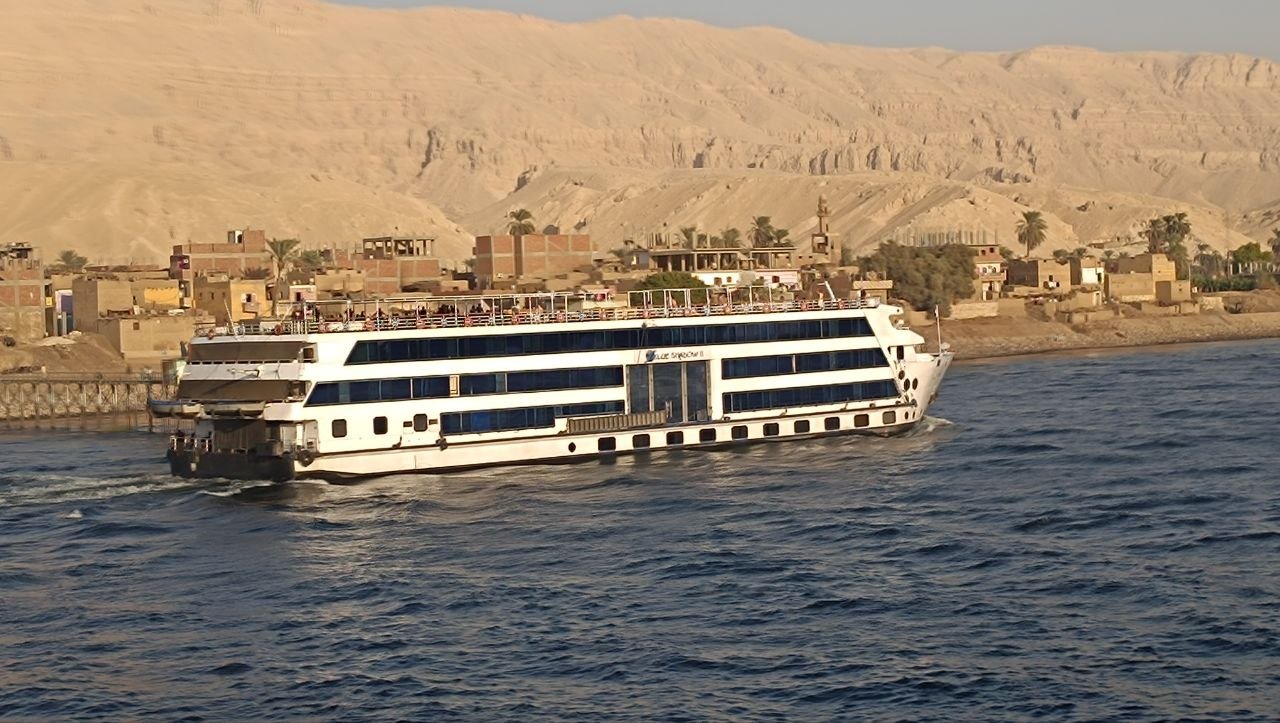
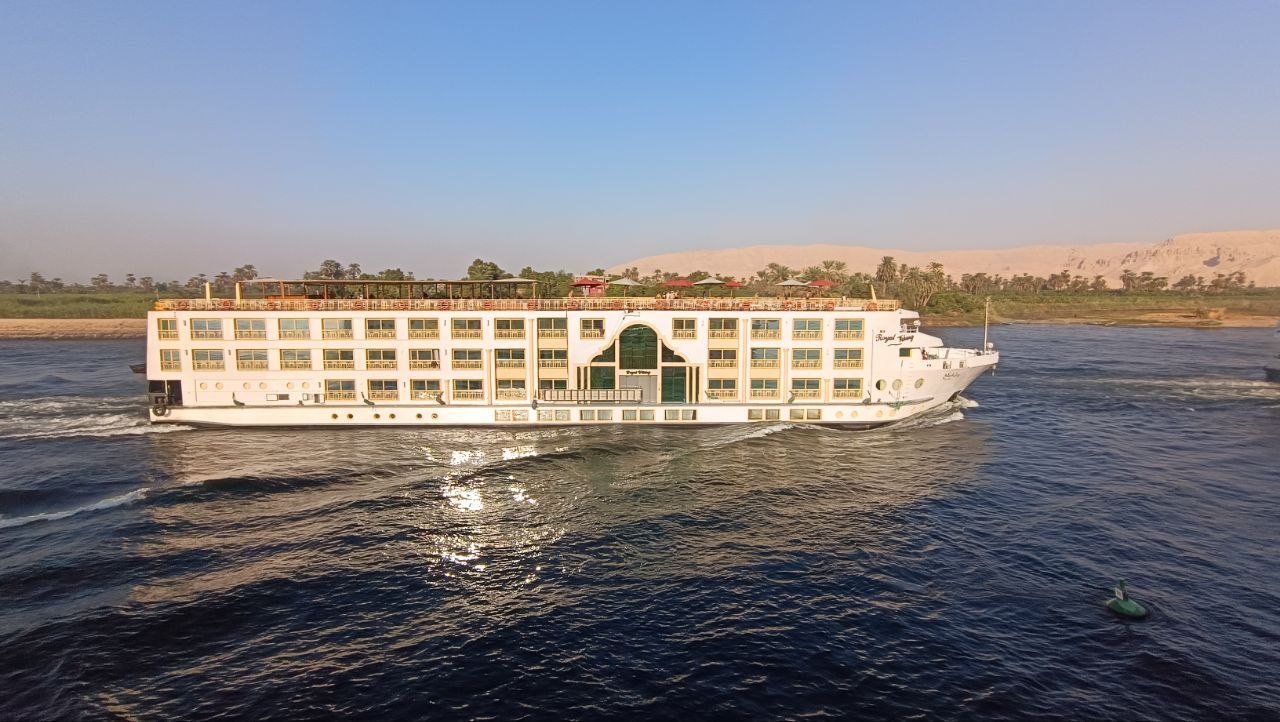
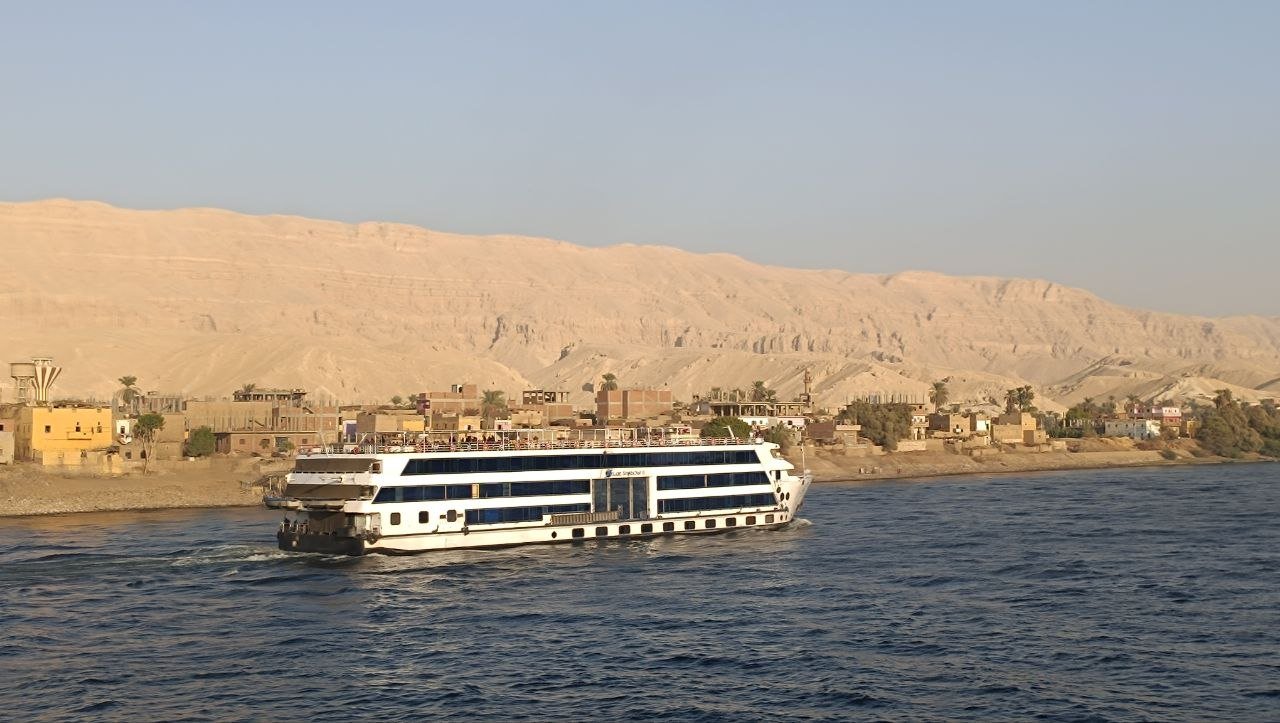
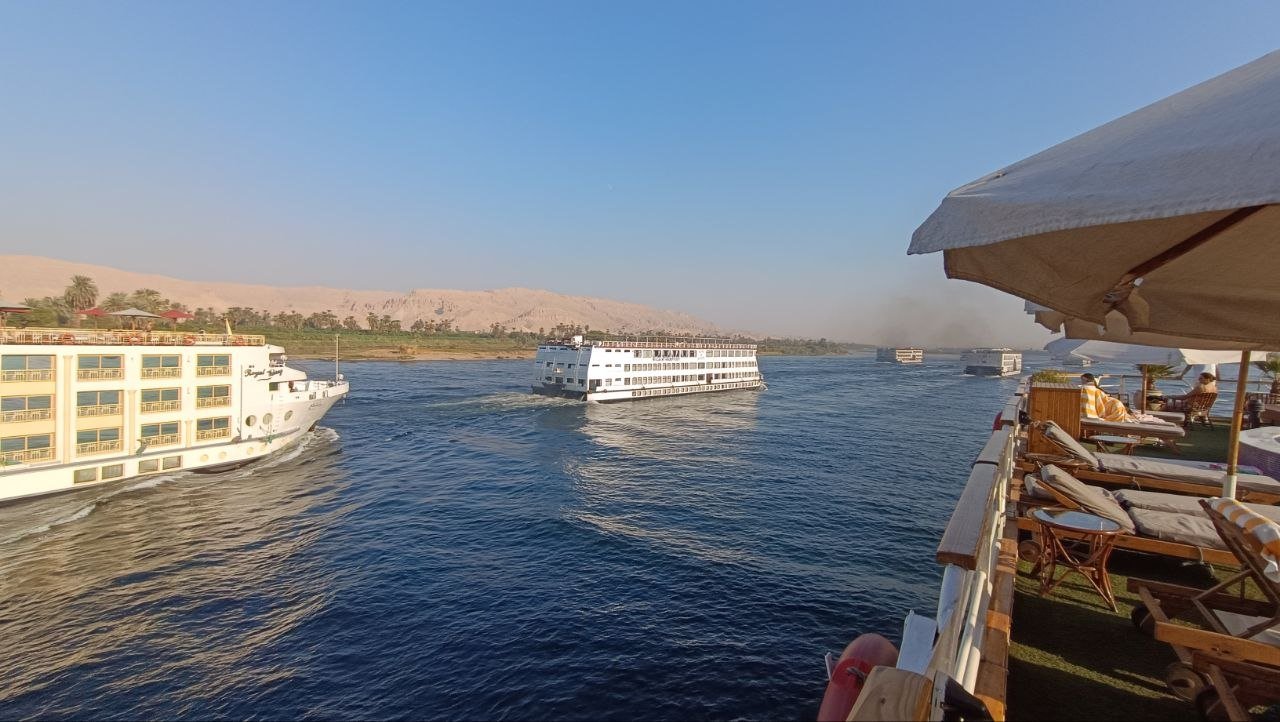
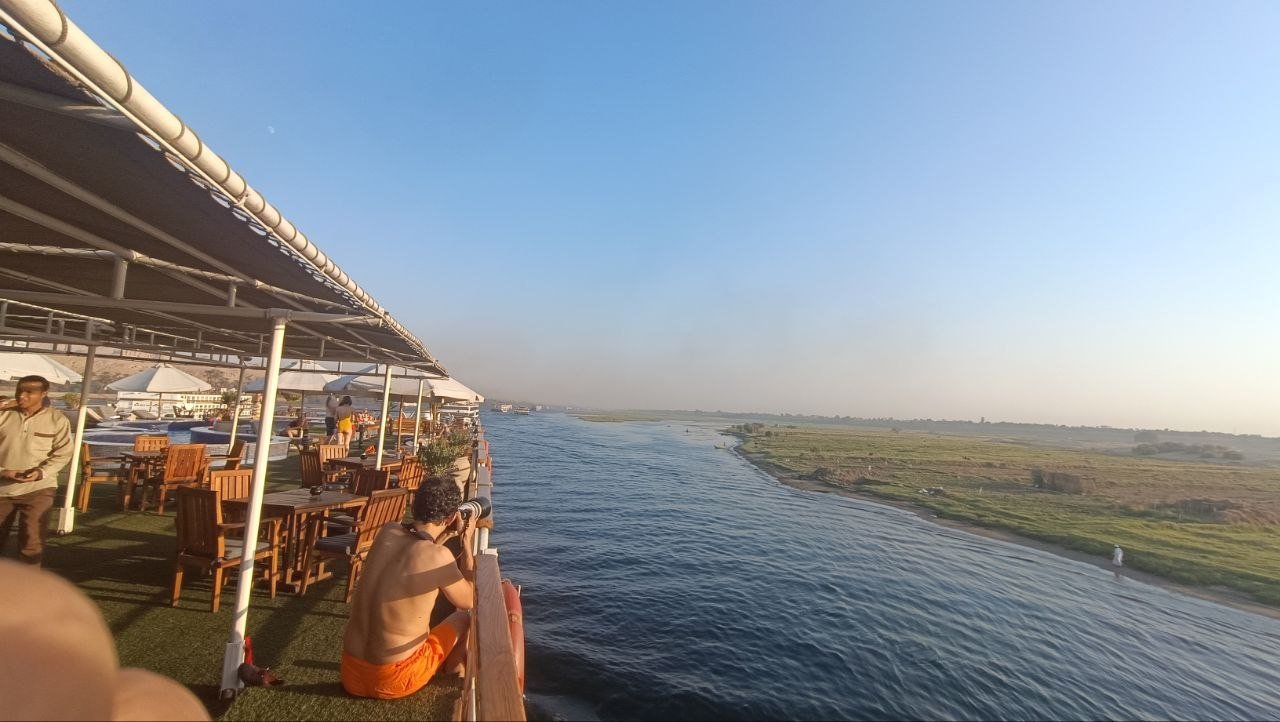
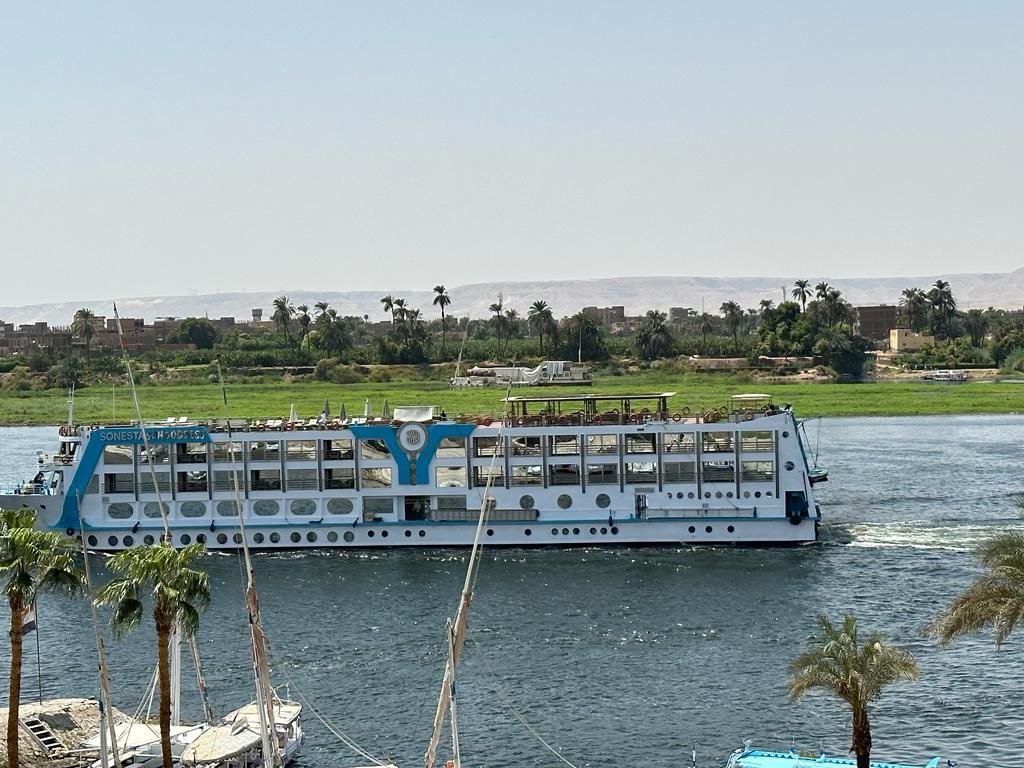
This 4 day Nile cruise from Aswan to Luxor is a journey through the picturesque Nile Valley with 3 nights on board. The route runs from Aswan to Luxor, so you discover both the landscapes and the heritage of ancient Egypt. Check the detailed itinerary, accommodation, price and booking options below.
- Departure from Aswan
Why Book With Us?
- Easy online booking
- Best price guarantee
- English-speaking tour representative
- 24/7 customer support
- Insurance included
Highlights of the 4 Day Nile Cruise from Aswan to Luxor
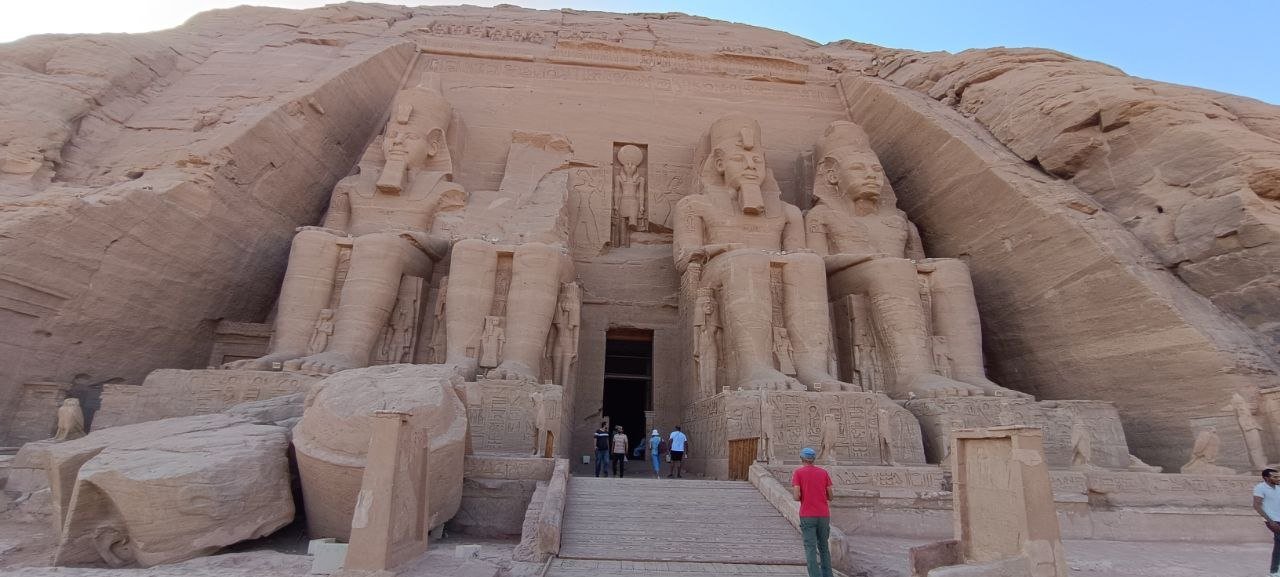
- Abu Simbel – Ramesses II in all his glory, in the heart of Nubia
- The Aswan High Dam – Egypt's greatest feat of 20th-century engineering
- The Unfinished Obelisk – a stone riddle from Aswan's granite quarries
- Philae Temple – the island of Isis saved by UNESCO
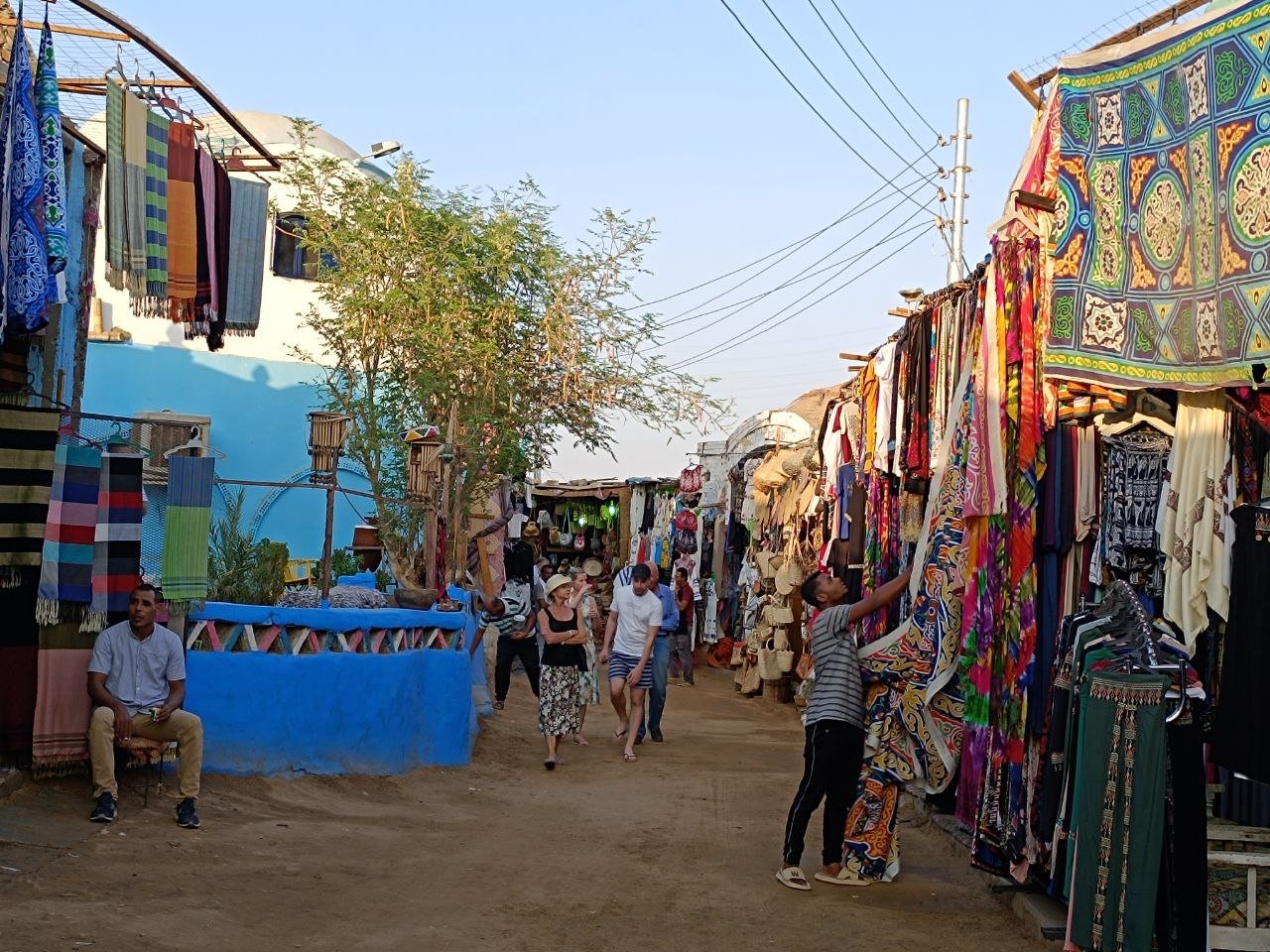
- A Nubian village – authentic life on the Nile, far from mass tourism
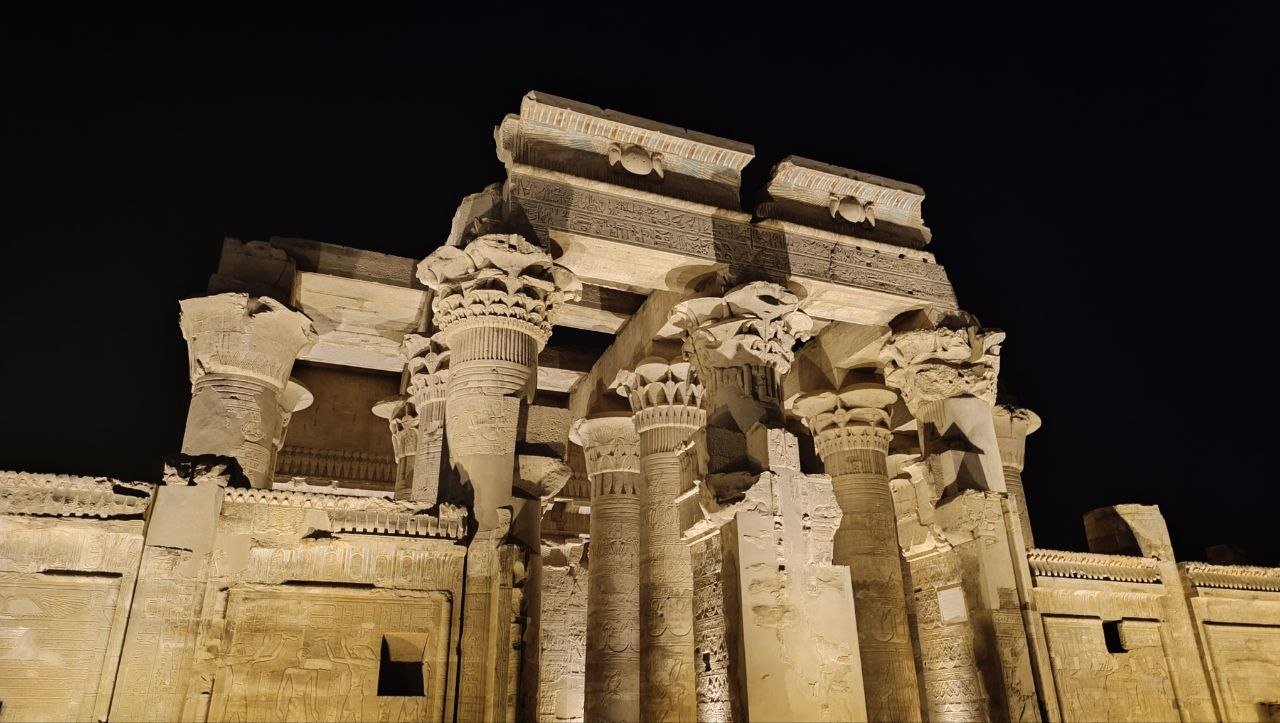
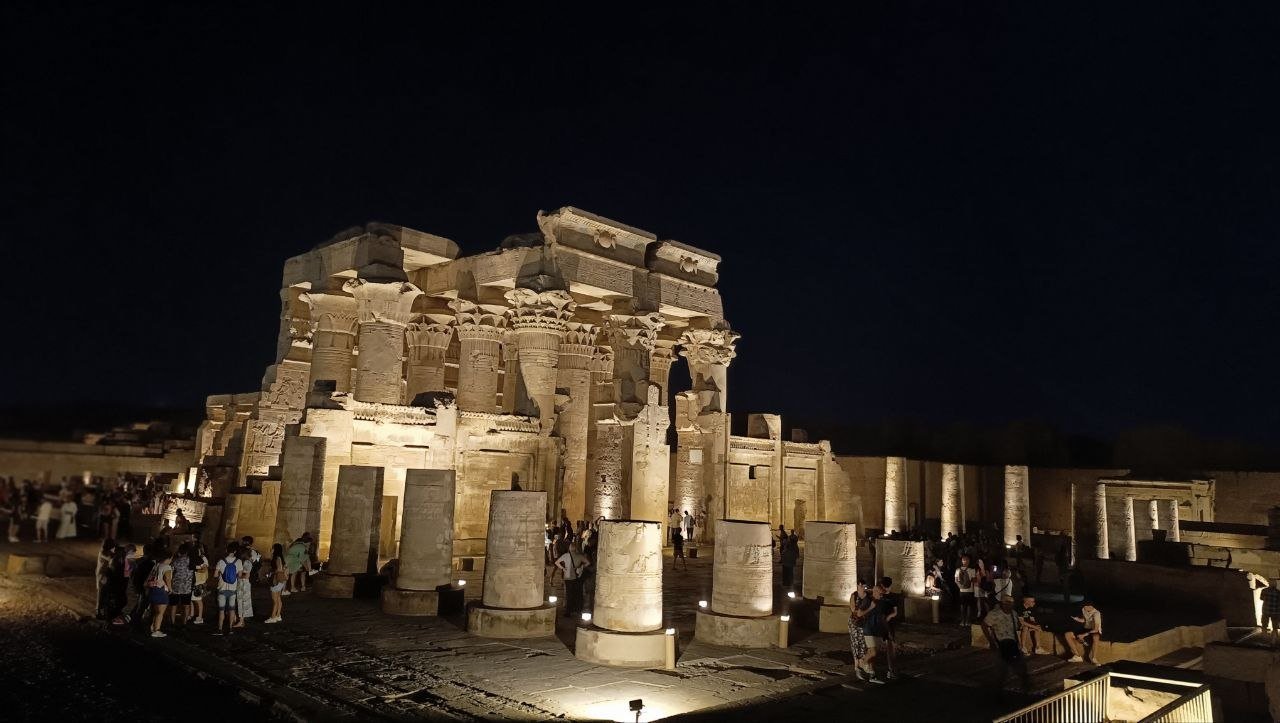
- The double temple of Kom Ombo – dedicated to the crocodile god Sobek and the falcon god Haroeris
- The Temple of Horus at Edfu – Egypt's best-preserved temple
- The Colossi of Memnon – two stone guardians on the Theban plain
- The mortuary temple of Hatshepsut – architecture that blends into the cliff
- The Valley of the Kings – the most famous valley in the world
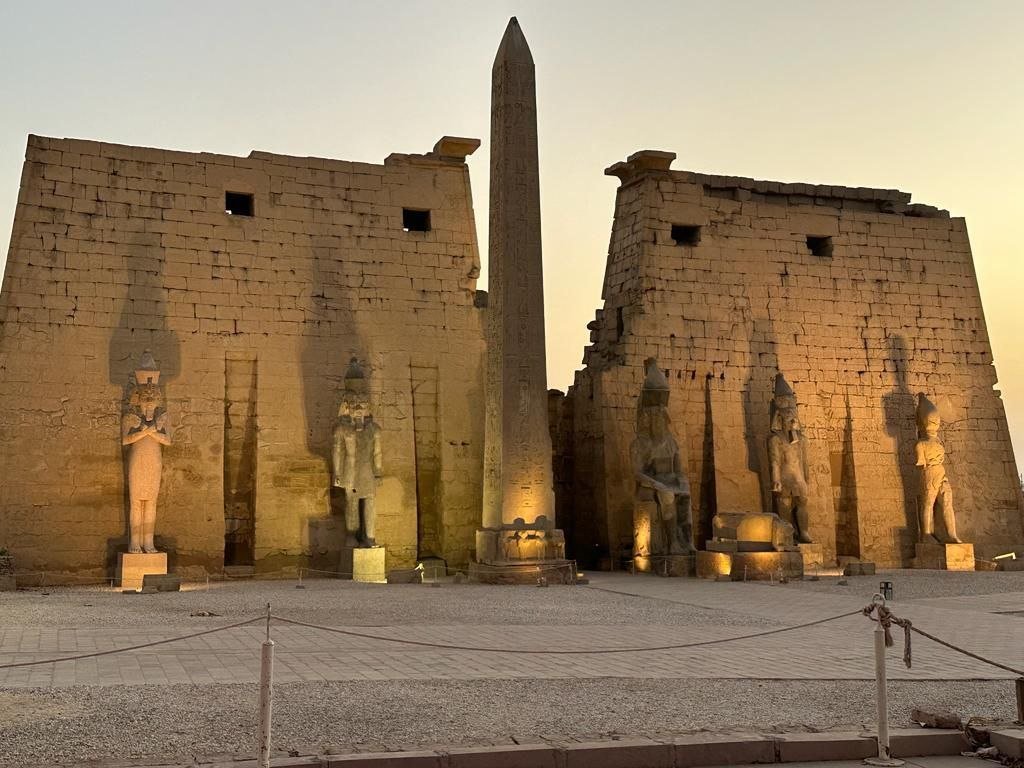
- Luxor Temple – an illuminated jewel on the banks of the Nile
- Karnak Temple – the largest religious complex ever built
Nile Cruise 4 Days / 3 Nights – Key Information
Day-by-Day Itinerary: Nile Cruise from Aswan to Luxor
Day 1 – Aswan: Philae Temple, Felucca Ride, High Dam and Unfinished Obelisk
First, your English-speaking Egyptologist guide picks you up from your hotel in Aswan. Boarding and lunch on board mark the start of your Nile cruise. The afternoon is then devoted to Aswan’s most fascinating sights.
Philae Temple (Temple of Isis)
Philae Temple is one of the most romantic places in Egypt, and its history is a story of rescue. The oldest parts of the sanctuary were built under Pharaoh Nectanebo I (c. 380 BC) of the 30th Dynasty. Throughout the Ptolemaic period, the impressive main temple dedicated to the goddess Isis was then expanded. When the rising waters of Lake Nasser threatened it after the dam was built in the 1970s, an international UNESCO campaign saved the temple at the very last moment. It was moved stone by stone to neighbouring Agilkia Island. Today, you reach it by motorboat, and even this short ride is a special experience.
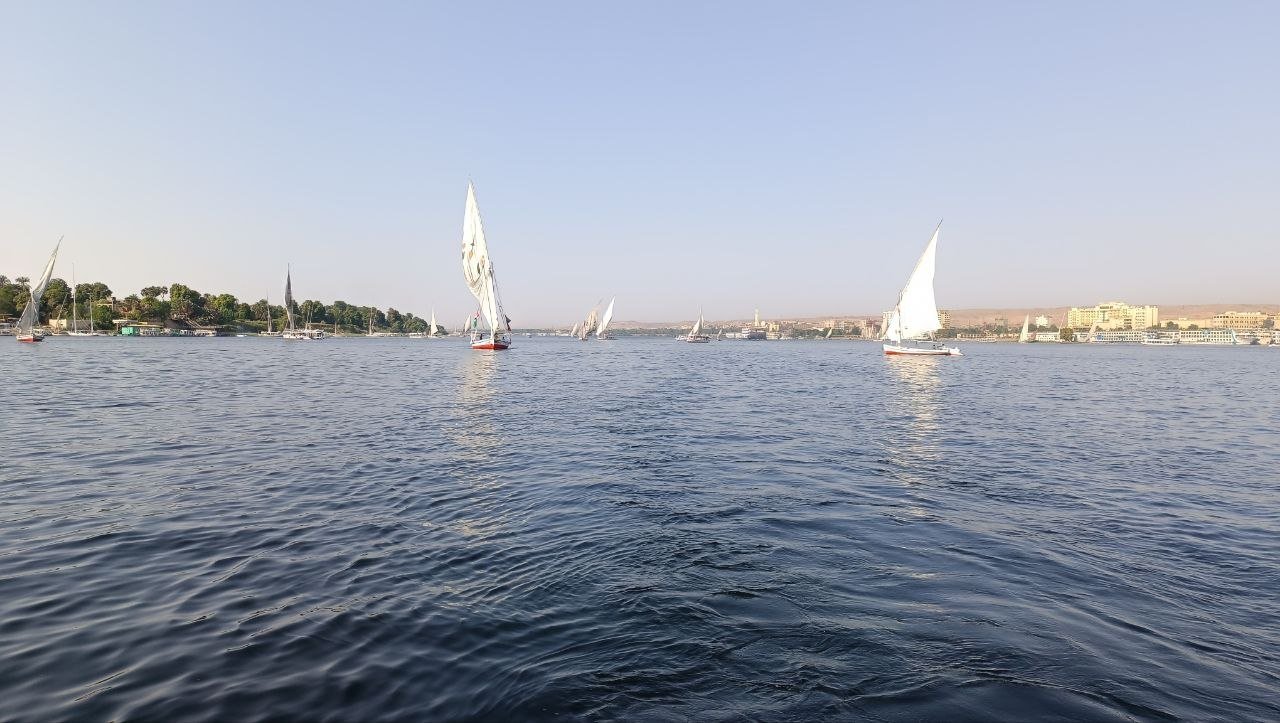
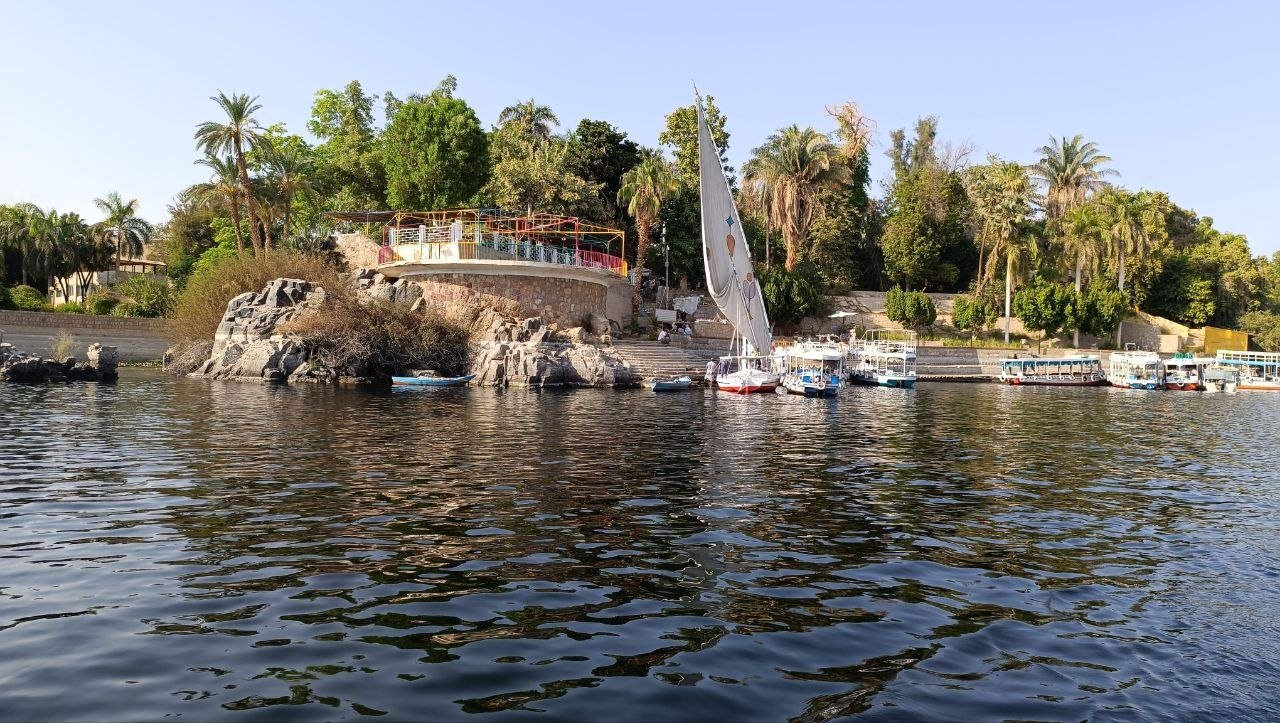
Felucca ride around Elephantine Island (optional)
This is a peaceful ride on a traditional Nile sailing boat and a relaxing, beautiful experience. In ancient Egypt, Elephantine was a border post and a trading centre between Egypt and Nubia.
The Aswan High Dam
Built between 1960 and 1970 with Soviet support and opened on 15 January 1971, the High Dam controls the Nile floods and supplies Egypt with electricity. It also created Lake Nasser, one of the largest reservoirs in the world at more than 500 kilometres long.
The Unfinished Obelisk
In the ancient granite quarries north of Aswan lies the largest stone monument the Egyptians ever began to carve: an obelisk almost 42 metres long and weighing 1,168 tonnes. However, the stonemasons discovered cracks in the granite and abandoned the project. Today, the obelisk still lies in the ground, just as it did 3,500 years ago.
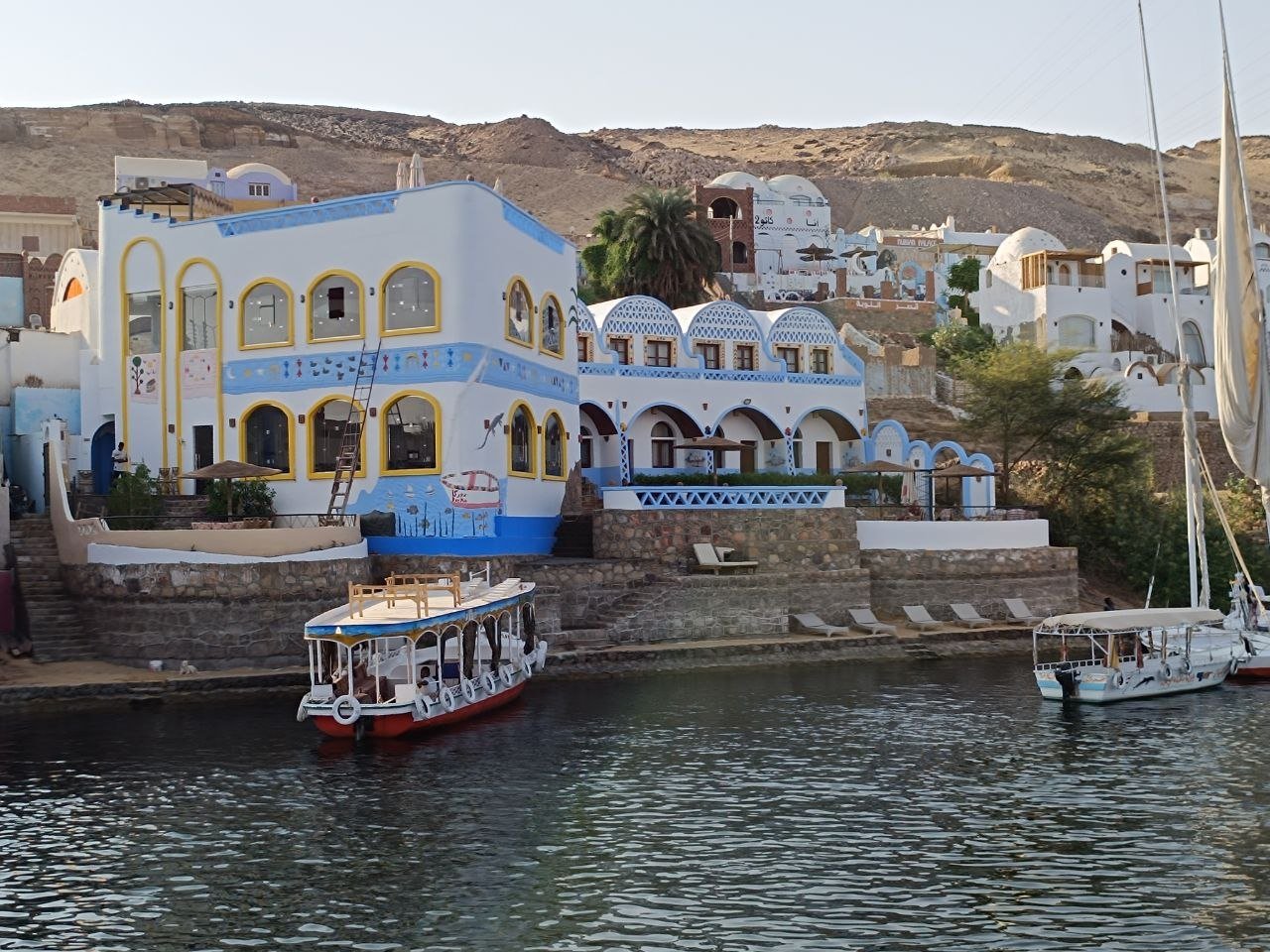
Optional trip to a Nubian village
Colourfully painted houses, friendly residents, homemade herbal tea and Nubian dishes make a Nubian village one of the most authentic experiences on the Nile. It is easiest to reach by motorboat from a small harbour.
Dinner and your first night on board.
Day 2 – Abu Simbel: the Rock Temples of Ramesses II and Nefertari
At around 3:00 am, a private air-conditioned vehicle takes you south across the Nubian Desert. During the drive of about three hours, you see a spectacular sunrise over the desert.
The Great Temple of Ramesses II
Abu Simbel is a monumental declaration of love carved in stone, created by Ramesses II (reigned c. 1279–1213 BC) in the far south of his kingdom. Four colossal statues, each over 20 metres tall, guard the entrance. Inside the sanctuary sit four deities: Amun-Ra, Ra-Horakhty, Ptah and the deified Ramesses. Twice a year, on 22 February and 22 October, the rays of the rising sun shine deep into the temple and illuminate three of the four statues.
The Small Temple – Nefertari’s Eternity
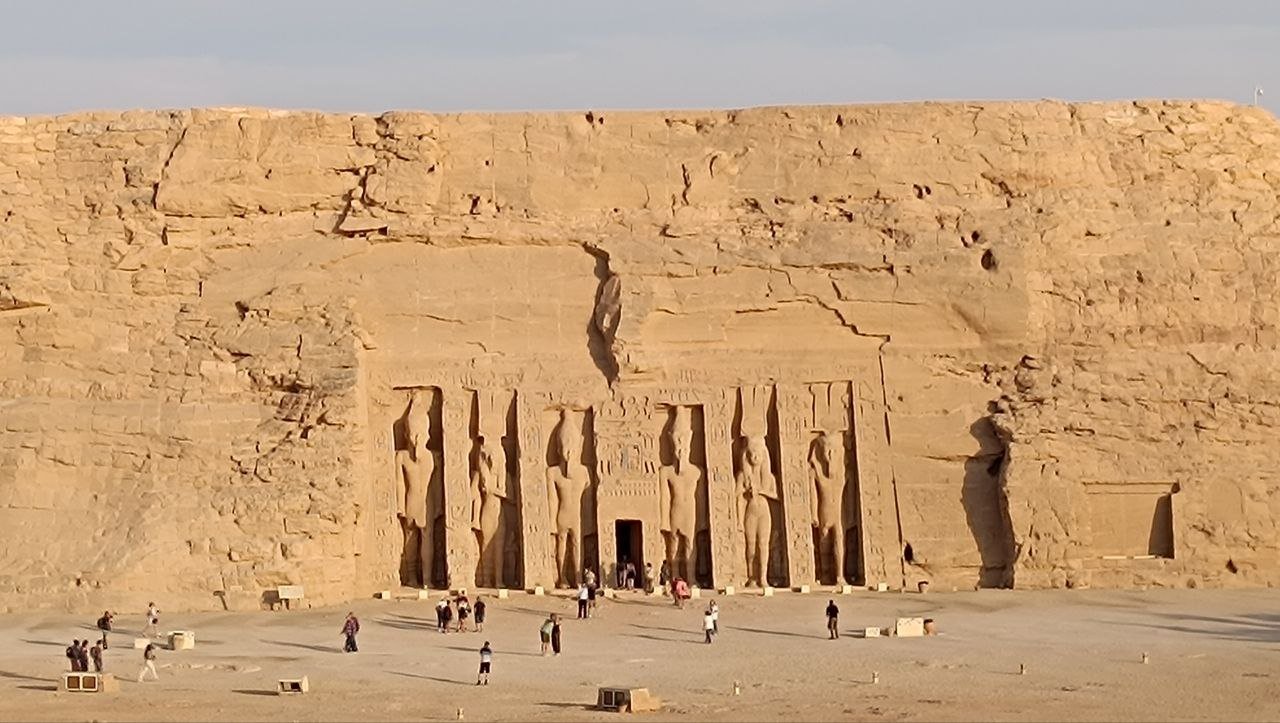
The neighbouring temple is dedicated to Queen Nefertari and the goddess Hathor. On the façade, the colossal statues of Nefertari are the same size as those of her husband Ramesses, an exceptional honour. Between 1964 and 1968, both temples were dismantled into more than 1,000 blocks and rebuilt 65 metres higher. In 1979, they were also listed as a UNESCO World Heritage Site.
Then you return to Aswan with lunch on board. You also spend the second night on the ship.
Day 3 – Kom Ombo and Edfu: Two Temples, Two Gods
After breakfast on board, a day of discovering sacred sites awaits.
The Double Temple of Kom Ombo
The temple at Kom Ombo, on the banks of the Nile, has a unique design, as it is divided into two symmetrical halves. It is dedicated to the crocodile god Sobek and the falcon god Haroeris. Most of the buildings date from the Ptolemaic and Roman periods (c. 332 BC – AD 395). In the neighbouring museum, you also see mummified crocodiles that bear witness to the sacred rituals held at the temple.
The Temple of Horus at Edfu
The Temple of Horus at Edfu is probably the best-preserved temple in the entire Nile Valley. Construction began in 237 BC and was completed in 57 BC in the Ptolemaic style, on the foundations of an older New Kingdom temple. The monumental gateway, columned halls and inner sanctuary with its black granite naos have all survived intact.
Dinner is served on board, and you spend the third night cruising as the ship sails on north towards Luxor.
Day 4 – Luxor: Karnak, the Valley of the Kings, Hatshepsut and the Colossi of Memnon
On the last day, you discover Luxor, ancient Thebes, for centuries the capital of the most powerful kingdom in the world.
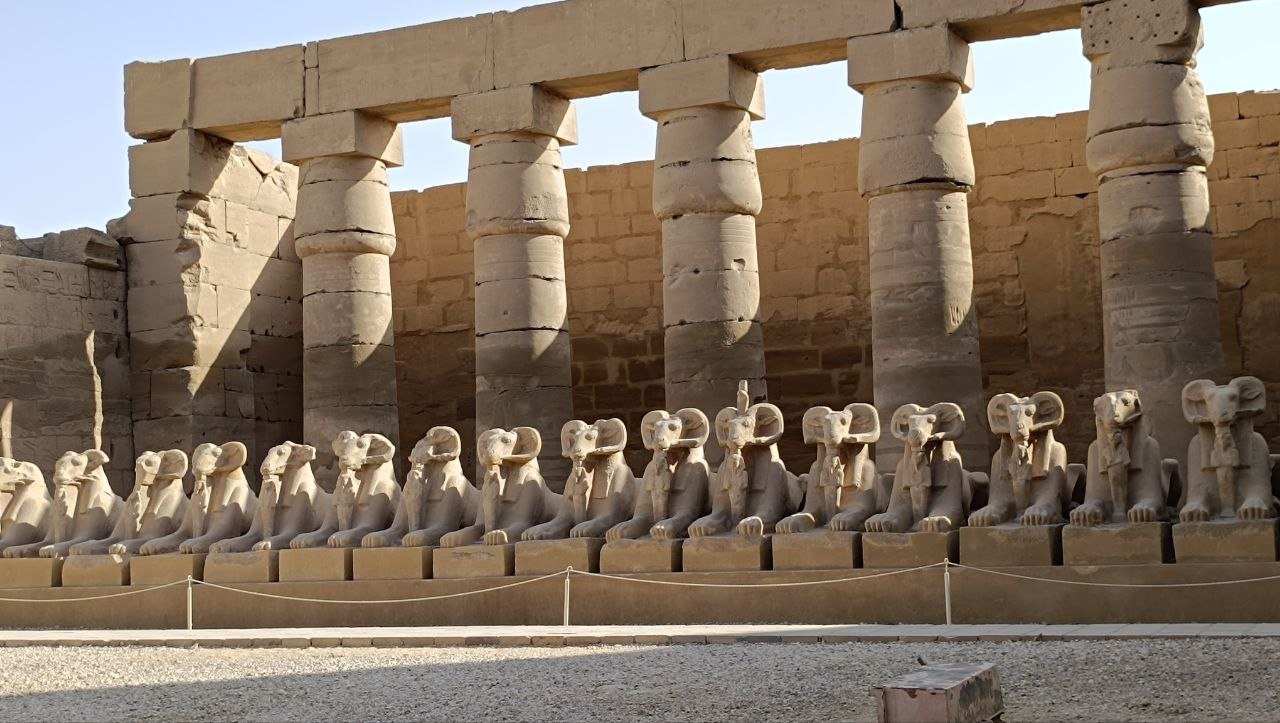
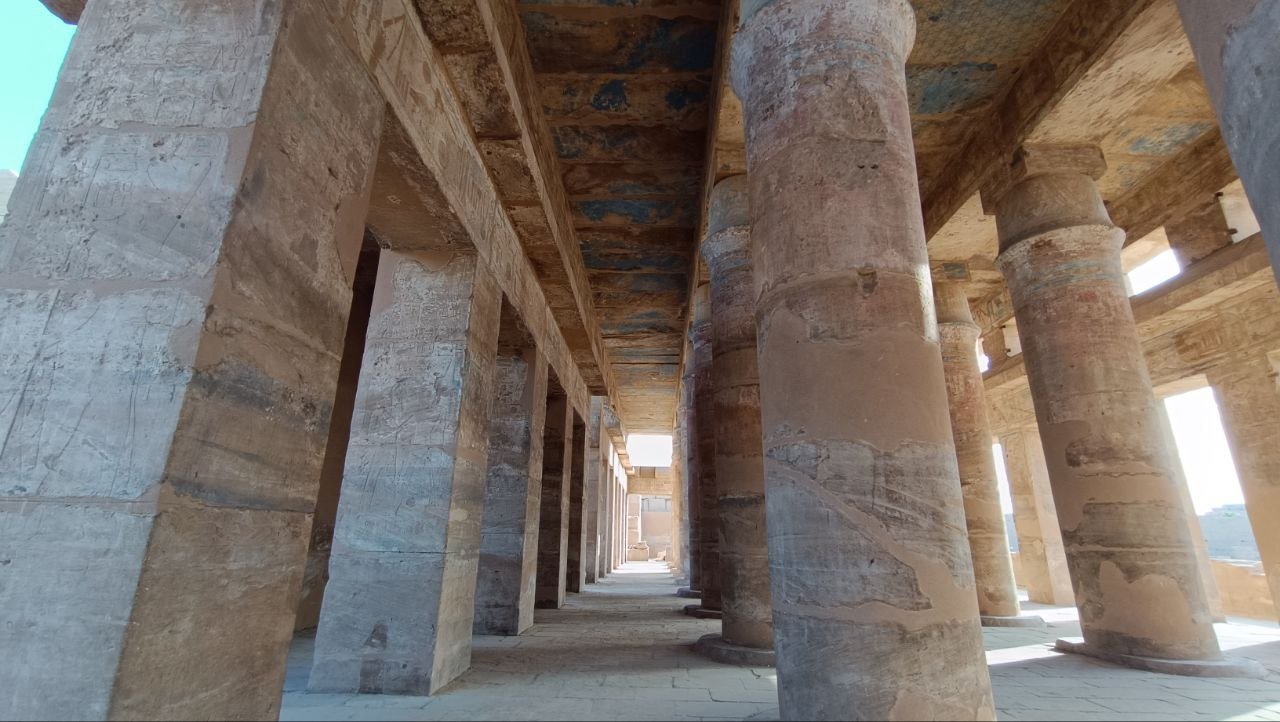
Karnak Temple
For more than 2,000 years, pharaohs expanded this complex, which covers almost 100 hectares. Above all, the Great Hypostyle Hall with its 134 colossal columns shows the scale of human building ambition. Karnak was also the cult centre of Amun and the religious heart of the whole Egyptian kingdom.
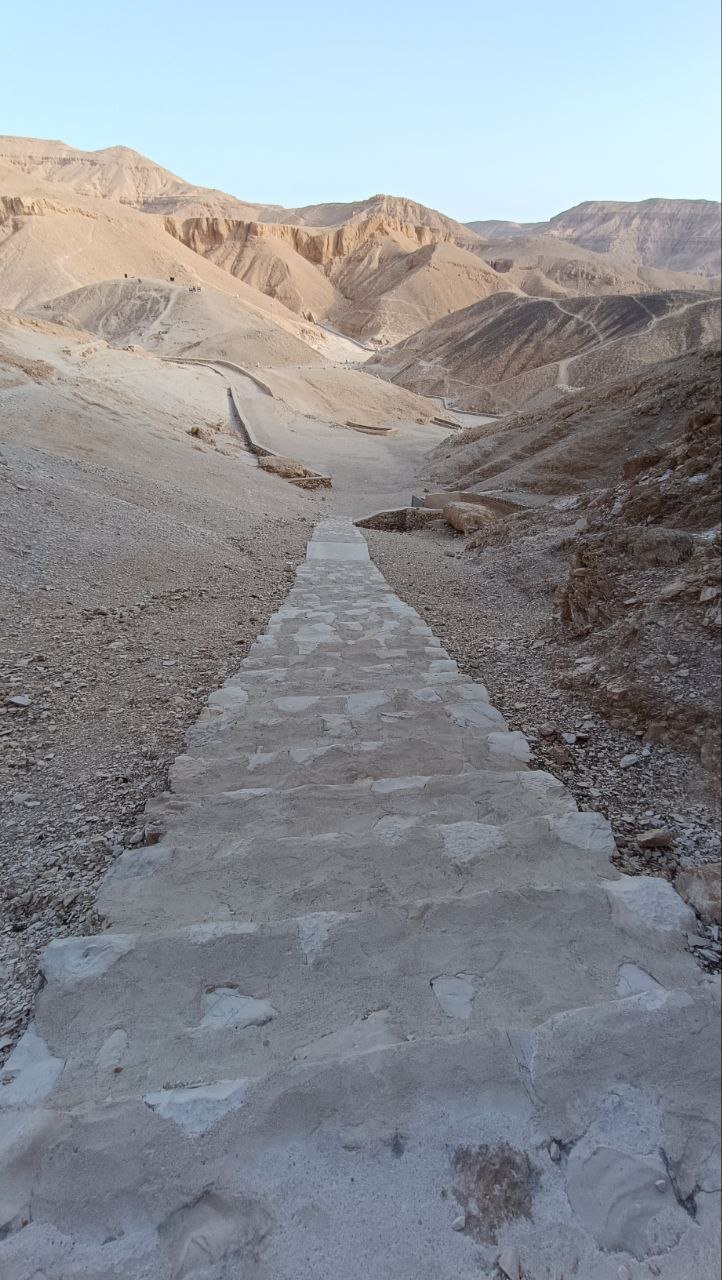
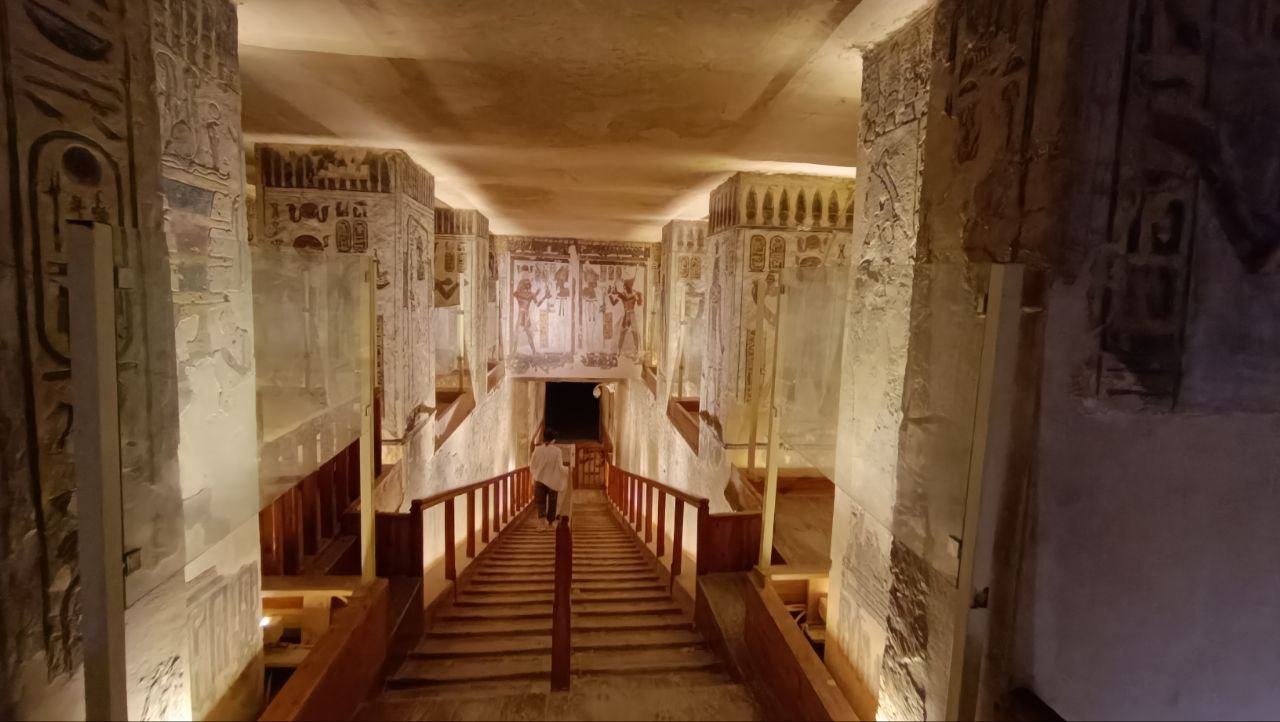
The Valley of the Kings
The valley lies on the West Bank, hidden behind the limestone cliffs of the Theban hills. New Kingdom pharaohs chose it as their burial place for more than 500 years. That is why the burial chambers of Tutankhamun, Ramesses II, Seti I and Thutmose III often still have their original paintings.
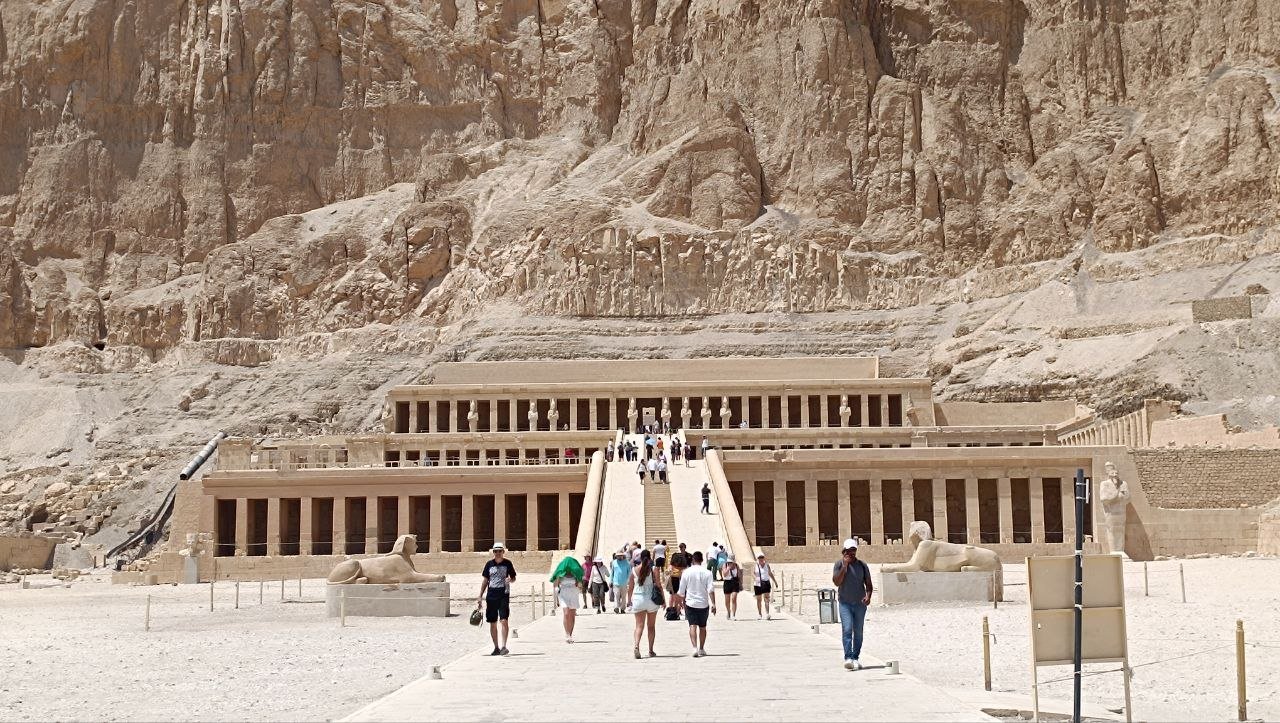
The Mortuary Temple of Hatshepsut
It rises on three terraces above the desert plain and blends into the steep limestone cliffs as if it were part of them.
The Colossi of Memnon
Two colossal statues over 18 metres tall, dating from the 14th century BC, stand on the Theban plain. They are all that remains of the vast mortuary temple of Amenhotep III.
Disembarkation in Luxor. This is how your 4 day Nile cruise from Aswan to Luxor with Sharara Tours comes to an end. Explore more Nile cruises.
Price per Person
Included
- Meet-and-assist service on arrival and departure
- All transfers by private air-conditioned vehicle
- 3 nights on a 5* Nile cruise ship with full board
- Licensed Egyptologist as your private guide
- All excursions as per the itinerary
- Entrance tickets to all sites listed
- All meals as per the itinerary
- All service charges and taxes
Not Included
- Entry visa and tips
- Entry to the Tomb of Tutankhamun (optional)
- Additional optional excursions
- Personal expenses
- International flights
- Drinks on board
Payment
- You can pay in cash on the spot at pick-up
- Euro (EUR)
- US dollar (USD)
- Swiss franc (CHF)