
The Citadel of Saladin and the Alabaster Mosque of Muhammad Ali in Cairo
Two extraordinary monuments of Islamic Cairo on the Mokattam Hills
Towering over the city from the Mokattam Hills, the Citadel of Saladin in Cairo is one of the most impressive historic monuments of Egypt's capital. Together with the famous Alabaster Mosque of Muhammad Ali, it forms a remarkable architectural complex of Islamic Cairo, whose history spans more than eight centuries of Egyptian political, military and religious life. In this guide, Sharara Tours explains the history of the Citadel, what to see inside and how to plan your visit.
The Citadel of Saladin – history and architecture of the fortress
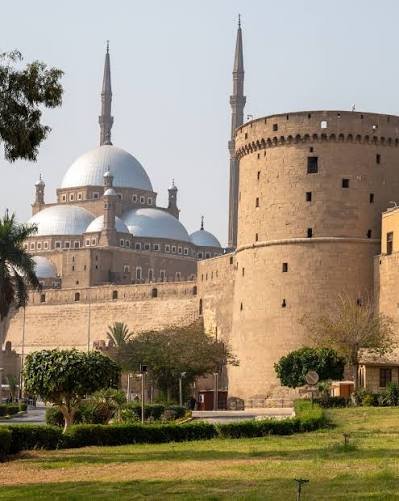
Construction of the Citadel of Saladin began in 1176 under Salah ad-Din al-Ayyubi, known in Europe as Saladin. The fortress was above all strategic: it was built to protect Cairo and Fustat from outside threats, especially during the Crusades. Its position on the Mokattam Hills offered an excellent defensive location and sweeping views over the city and the Nile Valley. Massive walls and towers further strengthened this medieval stronghold.
Over the centuries, the Citadel became the seat of power for successive dynasties, including the Ayyubids, the Mamluks and the Ottomans. Until the 19th century, it remained one of Egypt's most important political and military centres. Within its walls are mosques, former palaces, military buildings and administrative structures that recall the different eras of its history. Today, the Citadel of Saladin is part of Historic Cairo, a UNESCO World Heritage Site, and one of the capital's top tourist attractions.
The Alabaster Mosque of Muhammad Ali – a symbol of Cairo
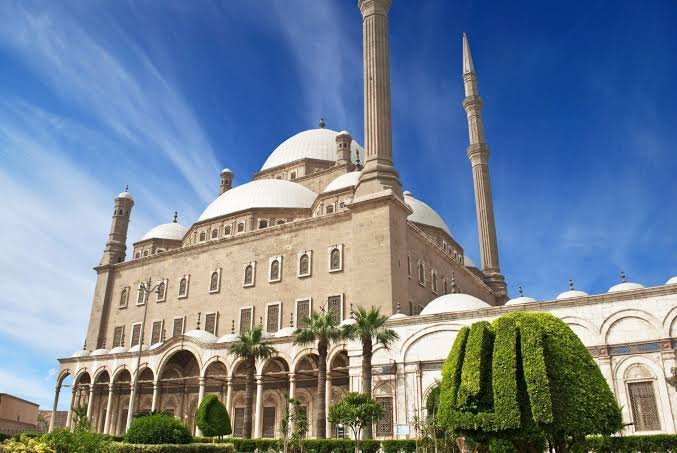
The most distinctive monument of the Citadel of Saladin is undoubtedly the Mosque of Muhammad Ali, built in the 19th century. Muhammad Ali Pasha, regarded as the founder of modern Egypt, wanted the mosque to be both a religious symbol of his power and a dynastic mausoleum. His tomb lies inside the mosque, in a marble cenotaph.
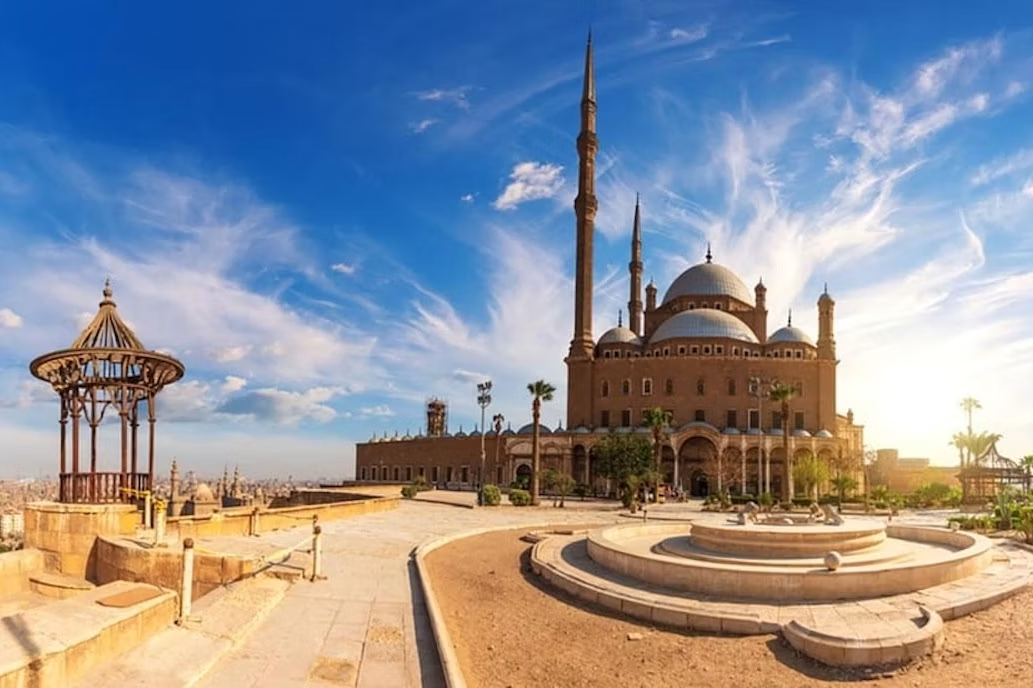
Inspired by the great Ottoman mosques of Istanbul, the building stands out with two slender minarets, an impressive central dome and several semi-domes. It is widely known as the Alabaster Mosque because of the pale stone cladding that covers much of its interior walls and courtyard. This distinctive material gives the mosque an elegant appearance and makes it instantly recognisable on the Cairo skyline.
Inside the Mosque of Muhammad Ali and the famous French clock
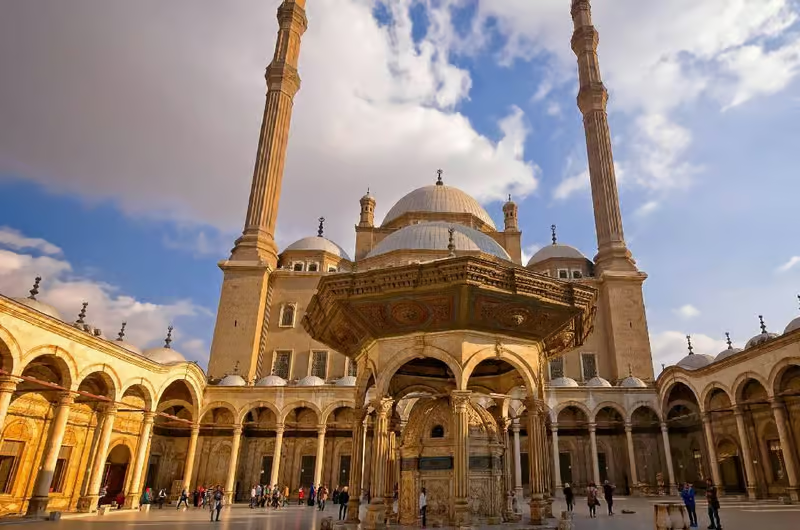
The interior of the Mosque of Muhammad Ali impresses with its vast space, spectacular chandeliers and rich decoration. Quranic inscriptions and ornaments adorn the domes and prayer areas. In the courtyard stands the famous clock given to Muhammad Ali in the 19th century by King Louis-Philippe I of France. The gift is traditionally linked to Egypt's presentation of the Luxor Obelisk to France, which now stands on the Place de la Concorde in Paris.
What else to see at the Citadel of Saladin
Beyond the Alabaster Mosque, the Citadel holds several other monuments worth your time:
The Mosque of al-Nasir Muhammad – a 14th-century Mamluk mosque that served as the royal mosque of the Citadel.
The Mosque of Sulayman Pasha – an early Ottoman-period mosque with a slender pencil-shaped minaret and colourful interior decoration.
The museums – the Citadel also houses museums, including the National Military Museum, which reflect its long military role.
The viewing terraces – on a clear day, the panorama stretches over the minarets and domes of Islamic Cairo, and sometimes as far as the pyramids on the horizon.
Why visit the Citadel of Saladin in Cairo?
Visiting the Citadel of Saladin and the Mosque of Muhammad Ali lets you discover medieval military architecture and the elegance of 19th-century Ottoman-style buildings in one place. You can trace the key periods of Egyptian history – from the Ayyubids, through the Mamluks and Ottomans, to the era of Muhammad Ali. It is also one of the best places in Cairo to admire the city panorama and understand how the Egyptian capital developed.
The Citadel combines well with nearby monuments such as the Sultan Hassan and Al-Rifai mosques and with Coptic Cairo on a full day of sightseeing.
Visiting the Citadel of Saladin – practical tips
Dress code: the mosques are places of worship. Wear modest clothing covering shoulders and knees, and remove your shoes before entering the prayer halls.
How long to stay: allow around two hours to see the Alabaster Mosque, the other mosques and the viewpoints.
Best time: visit in the morning or late afternoon for softer light and cooler temperatures. Opening hours can change, so check before you go.
Guided visit: exploring with a professional English-speaking Egyptologist guide helps you understand the Citadel's many historical layers. It is included in our Islamic and Coptic Cairo full-day tour.
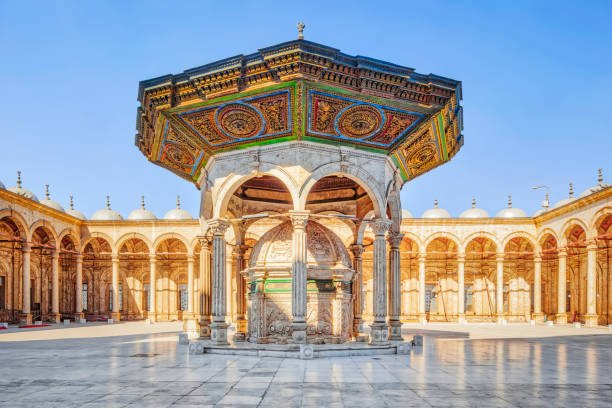

Visiting the Citadel of Saladin is a journey through more than eight centuries of Egyptian history in the heart of Cairo. Discover more in our guide to the best things to do in Cairo.
Citadel of Saladin – frequently asked questions
Who built the Citadel of Saladin?
Construction began in 1176 under Salah ad-Din al-Ayyubi (Saladin) to protect Cairo and Fustat, especially during the Crusades.
Why is it called the Alabaster Mosque?
The Mosque of Muhammad Ali is known as the Alabaster Mosque because of the pale stone cladding that covers much of its interior walls and courtyard.
Is Muhammad Ali buried in the mosque?
Yes. Muhammad Ali Pasha's tomb lies inside the mosque, in a marble cenotaph.
What is the dress code for the Mosque of Muhammad Ali?
Dress modestly, with shoulders and knees covered, and remove your shoes before entering the prayer hall.
How long does a visit to the Citadel take?
Around two hours is enough for the main mosques, the courtyard and the panoramic viewpoints.
Discover Islamic Cairo with Sharara Tours
Visit the Citadel of Saladin, the Alabaster Mosque and Coptic Cairo on a private tour with a professional English-speaking Egyptologist guide.
Islamic & Coptic Cairo tour Book now